The Tamang people are the largest indigenous ethnic group in Nepal, making up roughly 6% of the population. They are the traditional inhabitants of the middle hills surrounding the Kathmandu Valley, including districts like Sindhupalchok, Rasuwa, Nuwakot, Dhading, and Makwanpur.
Known for their resilience, rich oral traditions, and deep connection to the land, the Tamangs are an integral part of Nepal’s cultural fabric.
Origins and History
The word Tamang is believed to come from the Tibetan words Ta (horse) and Mang (trader or rider), suggesting a historical connection to horse trading across the Himalayas.
Historically, the Tamangs were heavily marginalized in Nepal. During the Rana regime and the Panchayat system, they faced discrimination and were often denied access to education and land ownership. Despite this, they have preserved their unique identity and culture.
Language and Script
The Tamangs have their own language, Tamang (or Tamang Gyalpo), which belongs to the Tibeto-Burman family. The language has several dialects. While it was traditionally an oral language, a script called Tamyig has been revived in recent years and is taught in various Tamang communities.
Religion and Culture
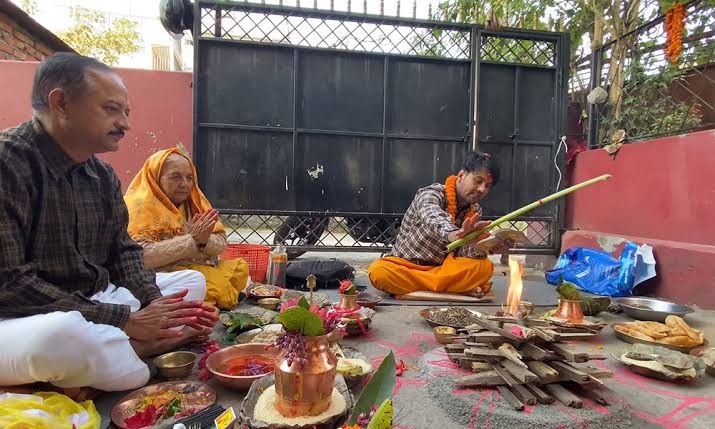
Tamang culture is heavily influenced by Buddhism, specifically the Nyingma and Kagyu schools of Tibetan Buddhism. However, their religious practices are also deeply intertwined with Bon (the ancient pre-Buddhist religion of Tibet) and animism.
- Gompas: Buddhist monasteries are central to Tamang villages.
- Lamas: Priests (Lamas) perform rituals for birth, marriage, and death.
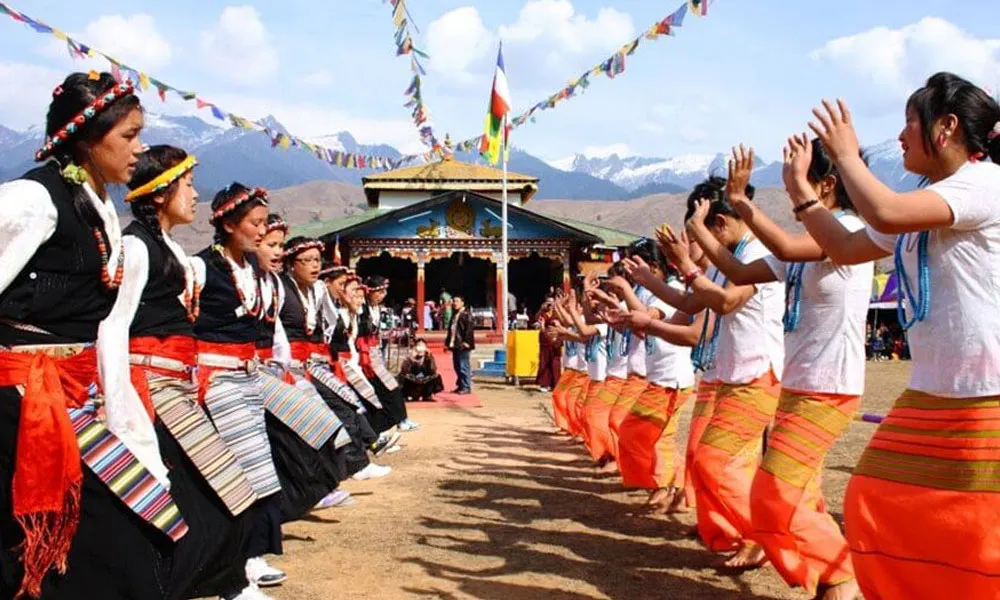
- Festivals: Sonam Losar (Tamang New Year) is the biggest celebration, usually held in January or February. Mani Rimdu is also celebrated with masked dances.
Traditional Dress and Music
Tamang culture is visually vibrant:
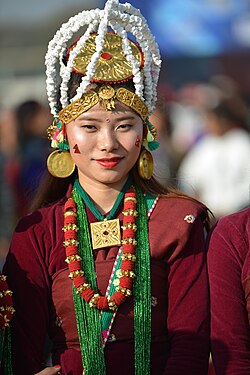
- Dress: Women traditionally wear a Mekhli (a wrap-around skirt) and a Cholo (blouse), often in bright colors. Men wear a Daura-Suruwal or a traditional jacket.
- Jewelry: Gold and coral jewelry is popular, especially among women.
- Music: The Damphu (a traditional drum) is the most iconic Tamang instrument. The Tamang Selo dance, performed to the beat of the Damphu, is famous across Nepal for its energetic and joyful movements.
Livelihood
Historically, the Tamangs were farmers, growing maize, millet, and potatoes on terraced hillsides. They were also known as skilled porters, traders, and craftsmen. Today, Tamangs can be found in all sectors, from agriculture and trekking to politics, education, and the arts.
Challenges and Resilience
The Tamangs have shown incredible resilience in the face of challenges. The devastating 2015 earthquake hit Tamang communities in Sindhupalchok and Rasuwa particularly hard. However, with community spirit and international aid, they have rebuilt their villages.
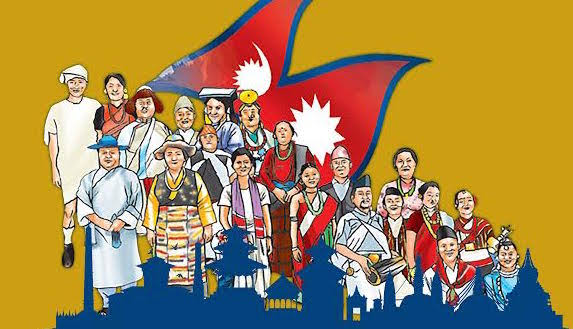
Today, there is a strong movement to preserve the Tamang language, promote Tamang literature, and celebrate their unique identity in the diverse tapestry of Nepal.
Frequently Asked Questions
Who are the Tamangs?
The Tamangs are the largest indigenous ethnic group in Nepal, primarily living in the middle hills around the Kathmandu Valley.
What is Tamang culture known for?
Tamang culture is known for its Buddhist heritage, the Damphu drum, the energetic Tamang Selo dance, and the Sonam Losar festival.
Do Tamangs have their own language?
Yes, the Tamang language belongs to the Tibeto-Burman family and is spoken by over a million people. The Tamyig script has been revived in recent years.
What are the main festivals of the Tamang?
The main festival is Sonam Losar (Tamang New Year), celebrated with feasting, dancing, and community gatherings.
Read next: The Gurung People — The brave warriors and honey hunters of the Annapurna region.
Related districts: Sindhupalchok, Rasuwa, Nuwakot, Dhading, Makwanpur