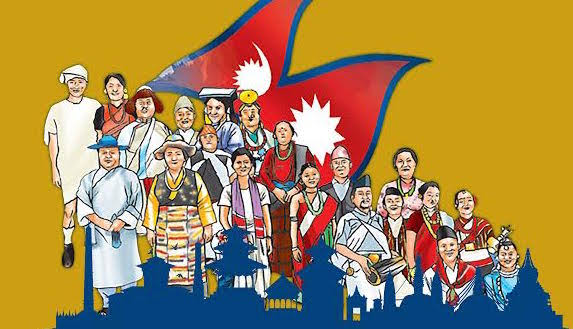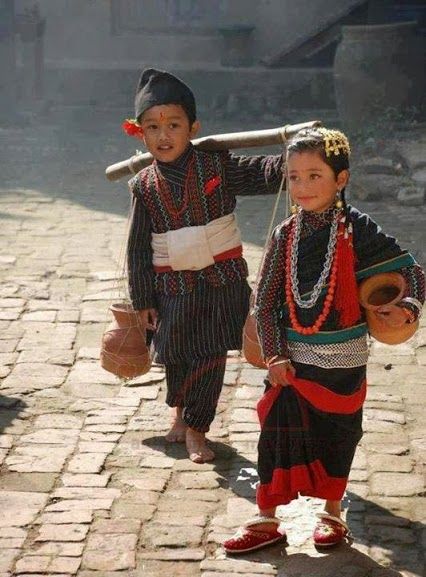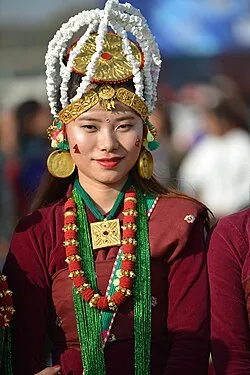
The Gurung people are one of Nepal’s most well-known ethnic groups, famous for their bravery, rich culture, and deep connection to the Annapurna region. They are the traditional inhabitants of the hills and mountains around Pokhara, including the Lamjung, Kaski, Tanahun, Gorkha, and Manang districts.
Whether serving as Gurkha soldiers in the British Army, hunting wild honey on treacherous cliffs, or celebrating their vibrant festivals, the Gurungs have a proud and distinctive identity.
Origins and History
The Gurungs (also known as Tamu) trace their origins to the Tibeto-Burman groups who migrated from the north centuries ago. Their language, Tamu Kyi, belongs to the Tibeto-Burman family.
Historically, the Gurungs were organized into a clan-based society. They were semi-nomadic, practicing agriculture and animal husbandry, and they served as intermediaries for trade between Tibet and the southern plains of India.
Brave Gurkha Soldiers
The Gurungs are perhaps most famous internationally for their service in the Gurkha regiments of the British and Indian armies. The term “Gurkha” refers to the legendary soldiers from Nepal, and Gurungs make up a significant proportion of these forces.
Known for their extreme bravery, loyalty, and the iconic curved knife (the kukri), Gurung soldiers have earned a reputation as some of the toughest fighters in the world. This military tradition remains a major source of pride and economic support for many Gurung families.
Culture and Traditions
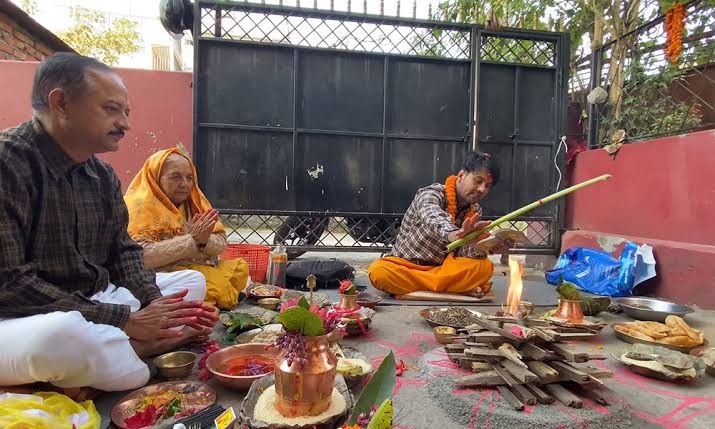
Gurung culture is vibrant and deeply rooted in animism and Buddhism, blended with Hindu influences.
- The Ghantu Dance: A traditional narrative dance performed by three to five women, telling stories of ancient myths and legends.
- Tamu Lhosar: The Gurung New Year, celebrated in late December or January. It is a time of feasting, dancing, and honoring ancestors.
- Rodhi: A traditional social institution where young men and women gather in the evening to sing, dance, and socialize.
Honey Hunting
One of the most daring traditions of the Gurung people is honey hunting. In the hills of Lamjung and Kaski, the Gurungs climb steep, treacherous cliffs using handmade rope ladders to harvest the world’s largest honeybee honey (the Himalayan cliff bee).
This ancient tradition is extremely dangerous, requiring incredible courage and teamwork. The honey is highly prized for its medicinal properties.
Livelihood
Traditionally, the Gurungs were farmers (growing rice, maize, and millet), herders (yaks and sheep), and traders. Today, many Gurungs are involved in the tourism industry (as trekking guides and lodge owners in the Annapurna region), and as soldiers in the British, Indian, and Nepali armies.
Religion
The Gurungs practice a mix of Buddhism, Hinduism, and Bon (ancient shamanism). Their spiritual life centers around the Pye (shamans), who perform rituals to heal the sick and ward off evil spirits. Every village has its own spiritual leaders and rituals.
Frequently Asked Questions
Who are the Gurungs?
The Gurungs are an ethnic group native to the Annapurna region of Nepal, known for their military history and cultural traditions.
Why are Gurungs famous as soldiers?
Gurungs are renowned for their service in the elite Gurkha regiments of the British and Indian armies, known for their bravery, discipline, and use of the kukri knife.
What is the Gurung New Year?
The Gurung New Year is called Tamu Lhosar, celebrated in December or January with feasts, traditional dances, and community gatherings.
What is honey hunting?
Honey hunting is a daring tradition of the Gurung people, who climb steep Himalayan cliffs to harvest wild honey from giant honeybee hives. It is a dangerous and highly skilled practice.
Read next: The Tharu People — The indigenous farmers of the Terai, known for their unique mud houses and rich traditions.