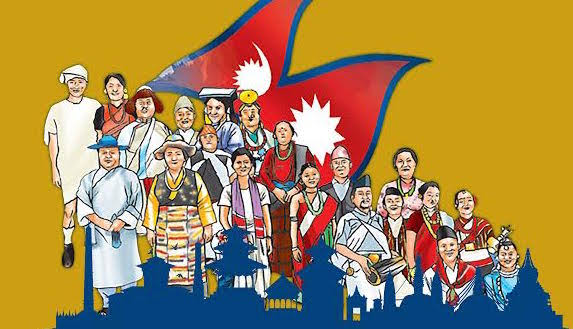
The Chhetri and Brahmin (often called Bahun in Nepali) communities are the traditional ruling and priestly classes of Nepal’s hill society. Together, they have played a dominant role in shaping Nepal’s politics, religion, and culture for centuries.
While the caste system has been legally abolished, the cultural and social influence of these communities remains deeply woven into the fabric of Nepali society.
Who Are the Chhetris?
The Chhetri (or Kshatriya) caste is the traditional warrior and ruling class. Historically, they were the kings, generals, and administrators of the hill kingdoms.
- Population: Chhetris make up about 16% of Nepal’s population, making them one of the largest groups.
- Origin: They are believed to be of Indo-Aryan descent, with connections to the ancient Khas Kingdom of western Nepal.
- Role: They were the soldiers and rulers who unified Nepal under Prithvi Narayan Shah. Many of Nepal’s kings, including the Shah dynasty, were of Chhetri origin.
Who Are the Brahmins (Bahuns)?
The Brahmin (Bahun) caste is the traditional priestly and scholarly class.
- Population: Brahmins make up about 12% of Nepal’s population.
- Origin: They trace their lineage to the ancient Brahmins of the Indian subcontinent, who migrated to the hills of Nepal.
- Role: They served as priests, educators, and advisors to the kings. They were the guardians of Hindu scriptures, rituals, and education.
The Caste System
Nepal’s traditional caste system placed Chhetris and Brahmins at the top of the hierarchy. This system dictated social status, occupation, and marriage.
However, the caste system is officially illegal in Nepal and has been abolished since 1963. Discrimination based on caste is prohibited by law. Despite this, caste-based social attitudes still exist in some parts of Nepali society, and caste-based discrimination remains a significant human rights issue.
Culture and Religion
Both communities practice orthodox Hinduism.
- Festivals: Dashain and Tihar are the most important festivals.
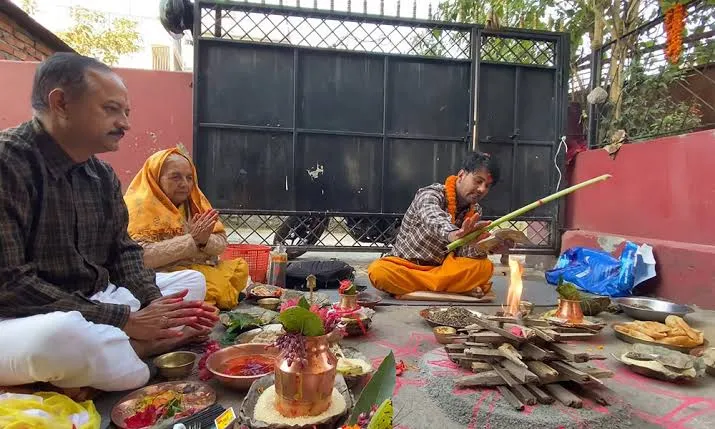
- Rituals: Brahmin priests (Pundits) perform important ceremonies like weddings, bratabandha (sacred thread ceremony), and death rituals.
- Language: They speak Nepali as their mother tongue, and were historically the primary patrons of Nepali literature.
Food and Dress
- Food: Traditional Brahmin cuisine is strictly vegetarian. Chhetri cuisine includes meat (usually buffalo or goat). Dal Bhat is the staple of both communities.
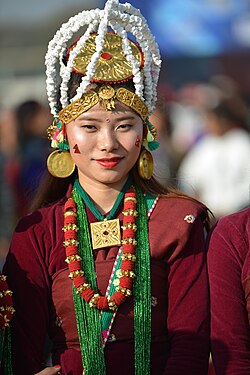
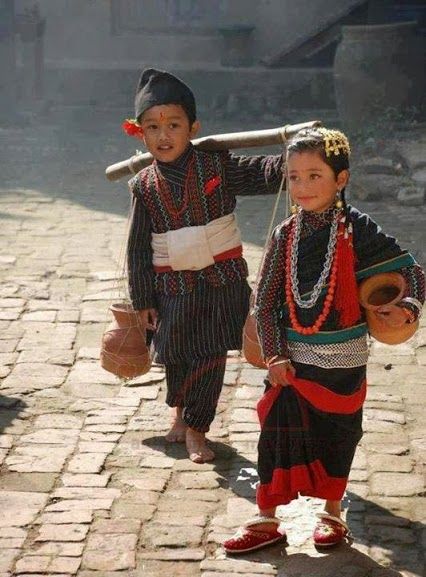
- Dress: Traditional dress includes the Daura-Suruwal (for men) and the Gunyu Cholo (for women). The Dhaka Topi (a traditional cap) is worn by men.
Modern Role
Today, Chhetris and Brahmins remain highly influential in Nepali politics, education, and administration. Many of Nepal’s Prime Ministers and senior bureaucrats come from these communities.
However, Nepal has made significant progress in creating a more inclusive society. The 2015 Constitution reserves seats in parliament and government jobs for marginalized groups, Dalits, and women, aiming to address historical inequalities.
Frequently Asked Questions
Who are the Chhetris?
The Chhetris are the traditional warrior and ruling class of Nepal’s hill society. They were the kings, generals, and administrators of the hill kingdoms.
Who are the Brahmins in Nepal?
The Brahmins (Bahuns) are the traditional priestly and scholarly class, serving as priests, educators, and advisors to the kings.
Is the caste system still in effect in Nepal?
The caste system was officially abolished in 1963, and caste-based discrimination is illegal. However, social attitudes and inequalities persist in some areas.
What religion do Chhetris and Brahmins follow?
Both communities practice orthodox Hinduism, and many Brahmin priests still perform traditional Hindu ceremonies.
Read next: Explore the People hub to learn about all of Nepal’s diverse ethnic communities.
Related districts: Kathmandu, Gorkha, Parbat, Baglung, Achham