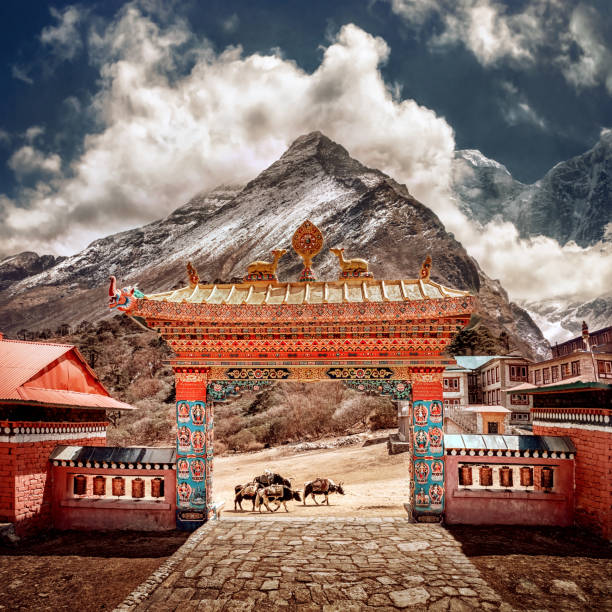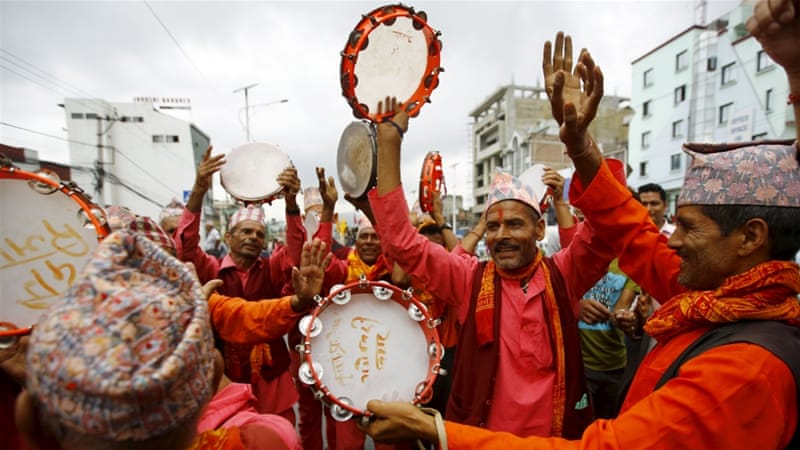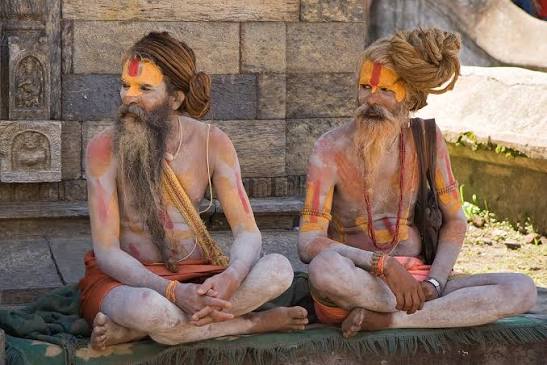
Nepal is often described as a land of temples, but beyond the Hindu and Buddhist shrines, there is an older, more ancient spiritual tradition: Shamanism.
For centuries, the indigenous communities of Nepal—especially the Tamang, Gurung, Magar, Tharu, and Rai—have practiced shamanism. It is a tradition based on the belief that the physical world is inhabited by spirits, and that certain individuals (shamans) have the power to communicate with these spirits to heal the sick, ward off evil, and bring good fortune.
Who Are the Shamans?
In Nepal, shamans are known by different names depending on the ethnic group:
- Dhami: Commonly used in the western hills.
- Jhankri: Common in central and eastern Nepal.
- Bombo: Used among the Tamang people.
- Guruwa: Used among the Tharu people.
Shamans are not priests. They do not belong to a formal religious hierarchy, nor do they work in temples. Instead, they are individuals who have been “called” by the spirits, often through a sudden illness, a dream, or a family lineage.
The Calling of a Shaman
Becoming a shaman is rarely a choice. The “call” often manifests as a severe illness, psychological disturbance, or a series of strange dreams that cannot be cured by Western medicine. The community interprets this as a sign that the spirits have chosen the person.
To become a shaman, the initiate must undergo a training period under a senior shaman, learning the rituals, chants, and techniques to communicate with the spirit world.
The Healing Ritual
One of the most important functions of a shaman is healing. When someone falls ill—especially if the illness is believed to be caused by a malevolent spirit or a “soul loss”—the shaman is called.
The healing ritual typically involves:
- Diagnosis: The shaman enters a trance state to identify which spirit is causing the illness.
- Chanting: The shaman chants ancient mantras and invokes the helping spirits.
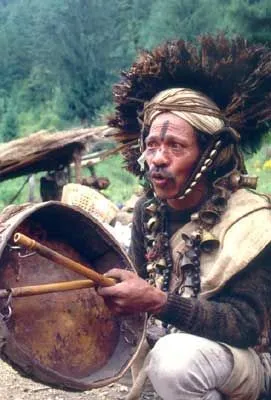
- Drumming: The rhythmic beat of the dhyangro (a traditional drum) is essential for inducing a trance.
- Offerings: The shaman may offer rice, eggs, or blood sacrifices to appease the offending spirit.
- Soul Retrieval: The shaman may travel to the spirit world to retrieve the lost soul of the patient.
Major Shamanic Festivals
Shamanic traditions are celebrated in several festivals across Nepal:
- Mani Rimdu: A major Buddhist festival in the Everest region that includes masked dances performed by monks, which have shamanic roots.
- Fagu Purnima (Holi): In the Terai, shamans perform rituals during this festival.
- Maghe Sankranti: Shamans take part in rituals at the start of the Magh month.
Shamanism and Buddhism
In Nepal, shamanism and Buddhism are often intertwined. Many shamans are also Buddhists, and their rituals include Buddhist elements. The Guruwa shamans of the Tharu community, for example, incorporate both Hindu and Buddhist deities into their practice.
The Modern Challenge
Today, shamanism faces challenges. Modern medicine and education have reduced the reliance on traditional healers. However, many Nepalis still visit shamans for healing, especially in rural areas where healthcare is limited.
Some shamans have adapted to the modern world, offering their services online or using their knowledge of medicinal plants alongside spiritual healing.
Frequently Asked Questions
What is shamanism?
Shamanism is an ancient spiritual tradition based on the belief that shamans can communicate with spirits to heal the sick and bring good fortune.
Who are the Dhami and Jhankri?
They are Nepali shamans. “Dhami” is more common in western Nepal, and “Jhankri” in central and eastern Nepal.
Is shamanism still practiced in Nepal?
Yes, especially among the Tamang, Gurung, Magar, Tharu, and Rai communities. Many Nepalis still consult shamans for healing.
How does a shaman heal?
Shamans heal through rituals that include trance, chanting, drumming, offerings, and sometimes “soul retrieval” from the spirit world.
Read next: The Kumari: Nepal’s Living Goddess — A deep dive into the centuries-old tradition of Nepal’s living goddess.