Until 2008, Nepal was officially the world’s only Hindu kingdom. While the country is now a secular federal republic, Hinduism remains the dominant religion, practiced by roughly 81% of the population.
Hinduism in Nepal is not just a religion; it is a way of life that shapes the country’s culture, art, festivals, and social structure. It is a unique blend of ancient Vedic traditions, local animism, and Tantric practices.
The Holy Site of Pashupatinath
The center of Hindu faith in Nepal is the Pashupatinath Temple in Kathmandu. Dedicated to Lord Shiva, it is one of the most sacred Hindu temples in the world and a UNESCO World Heritage Site.
- The Lingam: The main temple houses a sacred lingam (a representation of Shiva) with four faces, which is never allowed to be seen by non-Hindus.
- The Bagmati River: The temple sits on the banks of the holy Bagmati River. The Arya Ghat is where Hindu cremations take place daily, as it is believed that being cremated here and having one’s ashes scattered in the river grants moksha (liberation from the cycle of rebirth).
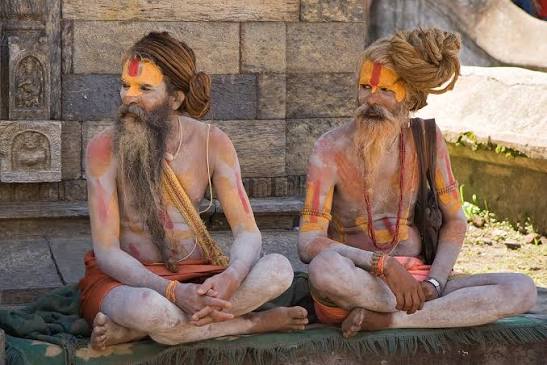
- Sadhus: The temple grounds are filled with Sadhus (Hindu holy men), who smear their bodies with ash and dedicate their lives to Shiva.
The Caste System
Historically, Nepali Hinduism was structured around the caste system (Varna), which divided society into four main groups: Brahmins (priests), Kshatriyas (warriors), Vaishyas (merchants), and Shudras (laborers).
While the caste system was legally abolished in 1963 and discrimination is now a criminal offense, its cultural and social impacts are still felt deeply in Nepal, particularly in rural areas and in marriage practices.
Major Hindu Festivals
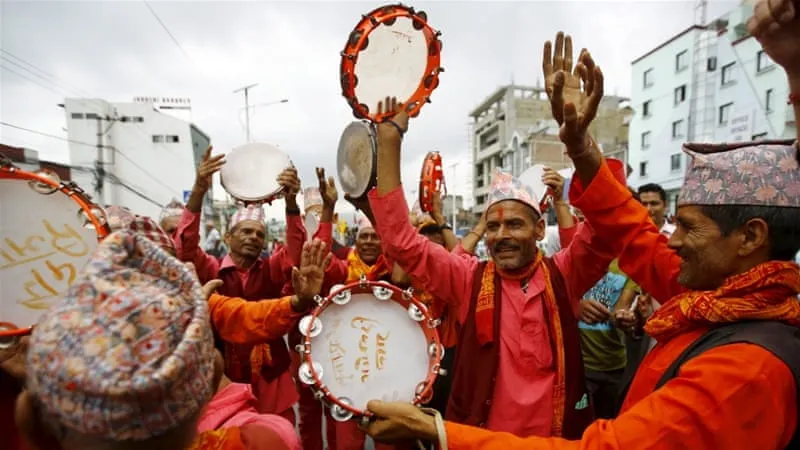
Nepal’s calendar is dominated by Hindu festivals, which are celebrated with immense devotion and public participation:
- Dashain: The longest and most important festival, celebrating the victory of the goddess Durga over the demon Mahishasura.
- Tihar: The festival of lights, honoring the goddess Laxmi, animals, and the bond between brothers and sisters.
- Maha Shivaratri: The “Great Night of Shiva,” when thousands of pilgrims gather at Pashupatinath.
- Teej: A festival celebrated by women, who fast for the well-being of their husbands.
The Living Goddess: The Kumari
One of the most unique aspects of Nepali Hinduism is the tradition of the Kumari—a young girl chosen from the Shakya caste of Newar Buddhists who is worshipped as the living incarnation of the goddess Taleju. She resides in the Kumari Ghar in Kathmandu and makes public appearances during the Indra Jatra festival.
Hinduism and Buddhism
In Nepal, Hinduism and Buddhism are deeply intertwined. The Buddha is considered an avatar of Vishnu by many Hindus, and Hindus and Buddhists often visit the same temples and shrines. This religious harmony is a defining feature of Nepali culture.
Frequently Asked Questions
Is Nepal a Hindu country?
No. Nepal was the world’s only Hindu kingdom until 2008, when it was declared a secular state. However, Hinduism remains the dominant religion (about 81% of the population).
Where is the most important Hindu temple in Nepal?
Pashupatinath Temple in Kathmandu is the most sacred Hindu temple in Nepal and one of the most important in the world.
Who are the Sadhus?
Sadhus are Hindu holy men who have renounced worldly life to dedicate themselves to Shiva. Many can be seen at Pashupatinath Temple.
Is the caste system still practiced in Nepal?
The caste system was legally abolished in 1963, and caste-based discrimination is illegal. However, its social impacts persist in some areas.
Read next: Buddhism in Nepal: Beyond Lumbini — Explore Nepal’s rich Buddhist heritage, from ancient stupas to Tibetan monasteries.
Related districts: Kathmandu, Lalitpur, Bhaktapur, Rupandehi, Dhanusha