Tihar (तिहार), also called Deepawali (दीपावली), is Nepal’s second-biggest festival after Dashain. Celebrated over five days in late October or early November, Tihar is unique because it honors not just gods and goddesses, but also animals and siblings. It’s the festival of lights, gratitude, and family bonds.
Unlike Dashain’s emphasis on goddess worship and victory, Tihar’s spirit is warmer and more intimate. Homes glow with oil lamps, families play cards and sing, and even the household dog receives a garland and a feast.
When Tihar Is Celebrated
Tihar falls in the Hindu month of Kartik, which usually corresponds to October or November in the Gregorian calendar. It comes a few weeks after Dashain and lasts exactly five days. The exact dates shift each year because they follow the lunar calendar.
The Five Days of Tihar
Each of the five days has a distinct ritual and meaning.
Day 1 — Kag Tihar (Crow Tihar)
The festival begins by honoring crows, which are considered messengers of Yama, the god of death. Families place food offerings on rooftops for the birds and ask them to take away bad news.
Day 2 — Kukur Tihar (Dog Tihar)
Dogs are worshipped on this day. Even street dogs are garlanded, given tika, and fed special treats. This is because dogs are considered loyal guardians and messengers of Yama. In recent years, Kukur Tihar has gained international attention as a celebration of all dogs.
Day 3 — Gai Tihar and Laxmi Puja
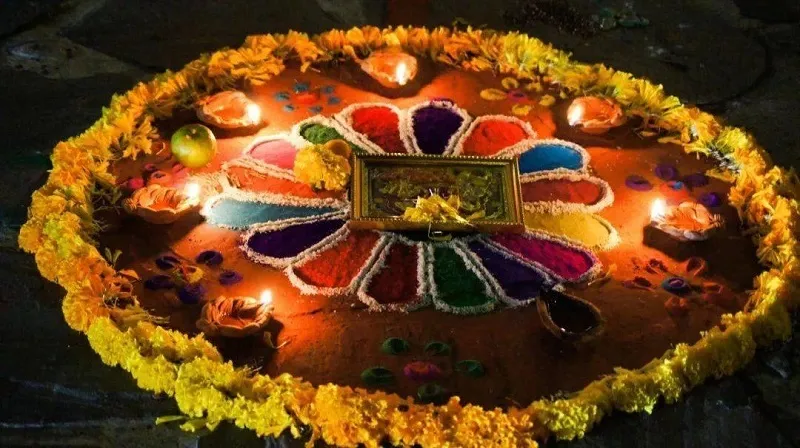
The most important day. In the morning, cows are worshipped and fed. In the evening, Laxmi, the goddess of wealth and prosperity, is welcomed into every home. Doors and windows are left open, and oil lamps line every threshold. Families draw small footprints leading from the street to their home’s inner shrine to welcome the goddess.
In the evening, groups of young people go door to door singing Bhailo (a traditional carol) and receive money or food in return.
Day 4 — Govardhan Puja and Mha Puja
The fourth day honors oxen, which pull plows and help with harvest. The Newar community celebrates Mha Puja on this day, which means “self-worship” — a ritual celebrating one’s own body and soul as a gift of life.
In the evening, another group called Deusi goes door to door singing, similar to Bhailo but with different songs and a leader.
Day 5 — Bhai Tika
The final day, Bhai Tika, is for brothers and sisters. Sisters apply tika to their brothers’ foreheads, offer them sweets, and pray for their long life. In return, brothers give gifts and promise protection. This ritual is deeply emotional and is the heart of Tihar for many families.
The Bhailo and Deusi Tradition
During Tihar, groups of singers — usually young people — travel from house to house in their neighborhoods. They perform traditional songs and dance for the household, and receive rice, money, or sweets in return. The tradition is centuries old and brings entire neighborhoods together.
- Bhailo is performed by women and girls on Laxmi Puja night.
- Deusi is performed by men and boys on Govardhan Puja night.
Tihar in the Newar Community
The Newar community of the Kathmandu Valley celebrates Tihar with extra enthusiasm, particularly on Mha Puja, which coincides with the Newar New Year (Nepal Sambat). This is a day when family members sit in a circle, each with a mandala in front of them, and perform rituals to honor their own life force.
Regional and Modern Variations
While the five-day structure is universal, some communities observe Tihar slightly differently:
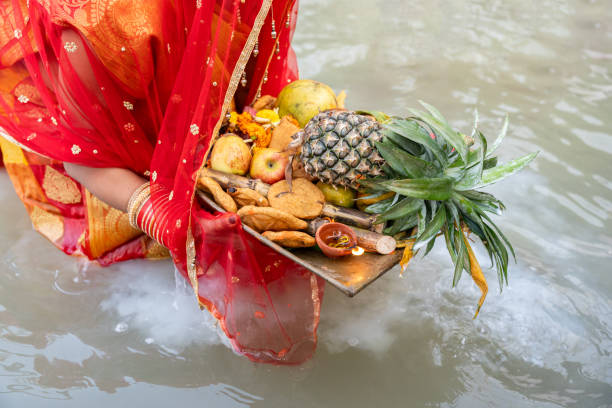
- Terai region: Chhath is celebrated just after Tihar, so these festivals sometimes blend.
- Abroad: Nepalese diaspora communities around the world celebrate Tihar with Bhailo and Deusi performances, sometimes in public venues.
- Modern touches: In urban areas, electric lights replace oil lamps, and Deusi groups often collect money for community projects rather than personal gain.
Frequently Asked Questions
What is Tihar?
Tihar is Nepal’s five-day festival of lights, honoring animals, the goddess Laxmi, and brothers and sisters. It falls in October or November and is celebrated with oil lamps, Bhailo and Deusi songs, and family gatherings.
How many days is Tihar?
Tihar lasts five days, each dedicated to a different being: the crow, the dog, the cow (and Laxmi), the ox (and self-worship), and finally the brother-sister bond.
Why do dogs get worshipped during Tihar?
Dogs are considered loyal guardians and messengers of Yama, the god of death. Kukur Tihar honors their loyalty with garlands, tika, and special food.
What is Bhai Tika?
Bhai Tika is the fifth and final day of Tihar, when sisters apply tika to their brothers and pray for their long life. Brothers give gifts in return. It celebrates the sibling bond.
Read next: Chhath: Sun Worship in the Terai — The ancient festival dedicated to the Sun God, celebrated just after Tihar.
Related districts: Kathmandu, Lalitpur, Bhaktapur, Dhanusha, Rupandehi