Buddha Jayanti (बुद्ध जयन्ती), also called Buddha Purnima, is the most important Buddhist festival in Nepal. It celebrates the birth, enlightenment, and death (parinirvana) of Siddhartha Gautama, the Buddha — all three of which are said to have occurred on the same full moon day.
For Nepal, this festival carries special significance: the Buddha was born in Lumbini, in the Terai plains of what is now Nepal, around the 6th century BCE. Buddha Jayanti is celebrated across the country in May, on the full moon day of the Hindu month of Baisakh.
Who Was the Buddha?
Siddhartha Gautama was born a prince in Lumbini, in the Shakya clan. According to tradition:
- His mother, Queen Maya Devi, gave birth to him while standing in the Lumbini Garden.
- He grew up in Kapilvastu, shielded from the suffering of the world.
- At age 29, he left the palace and wandered as an ascetic, seeking the truth about suffering.
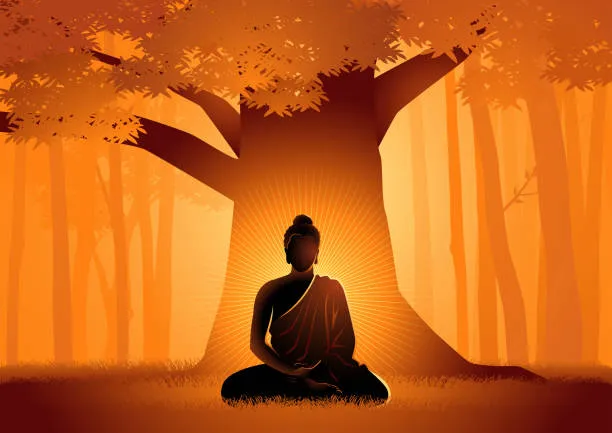
- At age 35, he attained enlightenment under the Bodhi tree in Bodh Gaya, India.
- He spent the next 45 years teaching what became Buddhism.
- He died at age 80 in Kushinagar, India.
All three major events — birth, enlightenment, and death — are said to have occurred on the same full moon day of Baisakh.
How Buddha Jayanti Is Celebrated
Buddha Jayanti is celebrated across Nepal, but with distinct local flavors.
At Lumbini
Lumbini, the birthplace of the Buddha, hosts the largest celebration. Thousands of pilgrims from Nepal, India, and other Buddhist countries gather at the Maya Devi Temple. Monks chant, candles are lit, and prayers are offered throughout the day. In the evening, a grand procession circles the sacred garden.
In Kathmandu Valley
In Kathmandu, the Swayambhunath and Boudhanath stupas become centers of celebration. Monks perform special pujas, and devotees walk around the stupas with butter lamps and incense. Boudhanath, in particular, is famous for its evening procession of monks carrying candles.
In Monasteries Across Nepal
Buddhist monasteries (gompas) across the country hold special prayer sessions, and many open their doors to visitors. Monks chant sutras, and devotees offer food and donations.
Rituals and Practices
Buddha Jayanti is marked by:
- Prayer and meditation: Devotees visit monasteries and stupas for special pujas.
- Butter lamps: Thousands of butter lamps are lit as offerings.
- Processions: Monks and devotees carry candles and images of the Buddha in procession.
- Charity: Many people give alms to monks, feed the poor, and release caged animals.
- Vegetarianism: Many devotees avoid meat on this day out of compassion for all living beings.
- Bathing the Buddha: In some traditions, a small statue of the infant Buddha is bathed as a symbolic reenactment of his birth.
Buddha Jayanti and Nepalese Identity
Buddha Jayanti is a public holiday in Nepal. The government organizes official celebrations at Lumbini, and the President and Prime Minister often attend.
The festival is significant because:
- It reinforces Nepal’s identity as the birthplace of the Buddha, a fact recognized by UNESCO and the international community.
- It brings together Hindus and Buddhists, who share many traditions in Nepal.
- It is a major tourist attraction, drawing pilgrims and visitors from across Asia and beyond.
Lumbini: The Birthplace of the Buddha
Lumbini is located in the Rupandehi district of Nepal, near the Indian border. It is a UNESCO World Heritage Site and one of the four most sacred Buddhist pilgrimage sites in the world.
Key sites at Lumbini include:
- Maya Devi Temple: The exact spot where the Buddha is said to have been born.
- Ashoka Pillar: Erected by Emperor Ashoka in 249 BCE to mark the birthplace.
- Sacred Garden: A large monastic zone with monasteries from many Buddhist countries.
- Puskarini Pond: Where Queen Maya Devi is said to have bathed before giving birth.
Frequently Asked Questions
What is Buddha Jayanti?
Buddha Jayanti is the Buddhist festival celebrating the birth, enlightenment, and death of Siddhartha Gautama, the Buddha. It falls on the full moon day of Baisakh (April or May).
Where was the Buddha born?
The Buddha was born in Lumbini, in present-day Nepal, around the 6th century BCE. Lumbini is now a UNESCO World Heritage Site.
Why is Buddha Jayanti important in Nepal?
Nepal is the birthplace of the Buddha, and Buddha Jayanti reinforces this identity. It is a public holiday and celebrated across the country, especially at Lumbini, Swayambhunath, and Boudhanath.
Do Hindus celebrate Buddha Jayanti?
Yes. In Nepal, Hindus and Buddhists often celebrate Buddha Jayanti together. The Buddha is considered an avatar of Vishnu in some Hindu traditions.
Read next: Losar: Tibetan New Year in Nepal — The Himalayan communities of Nepal ring in the new year with butter lamps and masked dances.
Related districts: Rupandehi, Kapilvastu, Kathmandu, Mustang, Solukhumbu