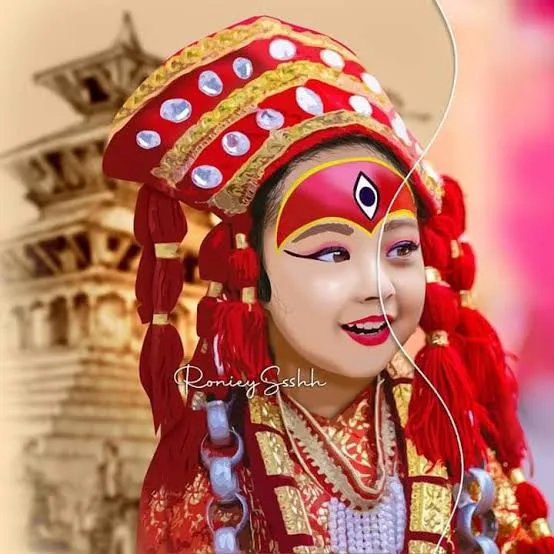
In the heart of Kathmandu, inside a beautifully carved wooden building called the Kumari Ghar, lives a young girl who is worshipped as a living goddess. She is the Royal Kumari of Kathmandu, the most famous of several Kumaris in Nepal.
The Kumari tradition is a unique blend of Hindu and Buddhist beliefs. It is one of the most fascinating and controversial aspects of Nepali culture, drawing curiosity from travelers around the world.
Who is the Kumari?
The Kumari is a pre-pubescent girl from the Shakya caste of the Newar Buddhist community. She is believed to be the living incarnation of the goddess Taleju, a fierce form of the Hindu goddess Durga.
Once she reaches puberty, the goddess is believed to leave her body, and she is retired. A new Kumari is then selected to take her place.
The Selection Process
The selection of a new Kumari is a rigorous and secretive process. The girl must meet 32 strict physical requirements, including:
- Having a perfect body with no scars or blemishes.
- Having black hair and dark eyes.
- Having a voice as soft as a duck.
- Having a chest like a lion and hands like a lotus.
- Having 20 nails that are perfect.
Once a candidate is identified, she must undergo a terrifying test: spending a night alone in a dark room filled with the severed heads of sacrificed animals. If she shows no fear, she is declared the new Kumari.
Life as a Living Goddess
Life for the Kumari is highly restricted. She lives in the Kumari Ghar, rarely leaving except for religious festivals. She is attended by a special caretaker and receives offerings from devotees daily.
She does not walk on the ground—she is carried in a palanquin or a golden chariot. Her feet are considered so sacred that they must not touch the earth.
During the Indra Jatra festival, the Kumari is paraded through the streets of Kathmandu in a golden chariot, blessing the city and its people.
The Controversy
The Kumari tradition has faced criticism from human rights advocates. Critics argue that removing a child from her family, denying her an education, and forcing her into a life of isolation is a violation of her rights.
After her retirement, former Kumaris often struggle to adjust to normal life. There has been a cultural belief that marrying a former Kumari brings bad luck, which has made their social reintegration difficult. However, in recent years, some former Kumaris have pursued education and careers, and the stigma is slowly fading.
Frequently Asked Questions
Who is the Kumari?
The Kumari is a young girl worshipped as the living incarnation of the goddess Taleju. The most famous is the Royal Kumari of Kathmandu.
How is a Kumari chosen?
She must meet 32 physical requirements and pass a test of courage in a dark room filled with animal sacrifices. She must come from the Shakya caste.
What happens when a Kumari grows up?
When she reaches puberty, the goddess is believed to leave her, and she is retired. A new Kumari is then selected.
Can you see the Kumari?
Yes. The Kumari makes public appearances during festivals, especially the Indra Jatra. She also occasionally appears at the window of the Kumari Ghar.
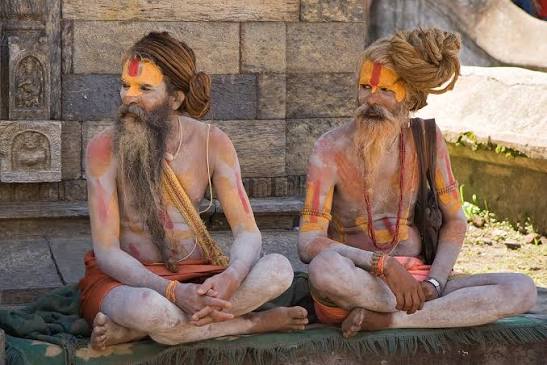
Read next: The Sadhus of Pashupatinath — Meet the ash-smeared holy men of Nepal’s holiest Hindu temple.
Related districts: Kathmandu, Lalitpur, Bhaktapur, Kavrepalanchok