Losar (ल्होसार) means “new year” in Tibetan. It is the most important festival for Nepal’s Himalayan communities — Sherpa, Tamang, Gurung, Hyolmo, and Tibetan — and is celebrated in February or March, depending on the lunar calendar.
Losar is a festival of renewal, family, and community. It lasts anywhere from three days to two weeks, depending on the community and region. Households are cleaned from top to bottom, new clothes are worn, special foods are prepared, and monasteries fill with the sound of chanting.
The Origins of Losar
Losar has its roots in pre-Buddhist Tibet, where it began as a winter incense-burning ceremony to honor local deities and spirits. When Buddhism arrived in Tibet in the 7th century, the festival was adopted and adapted, eventually becoming the Tibetan New Year.
The word “Losar” comes from two Tibetan words:
- Lo — year
- Sar — new
How Losar Is Celebrated in Nepal
Losar is celebrated with distinct regional traditions across Nepal.
In the Sherpa Community
Sherpa communities in the Solukhumbu region (Everest area) celebrate Losar with enthusiasm. Homes are decorated, and families gather for Guthuk — a special noodle soup — the night before the new year. On the first day, people visit monasteries, offer butter lamps, and exchange greetings. Traditional Sherpa dances and songs are performed.
In the Tamang Community
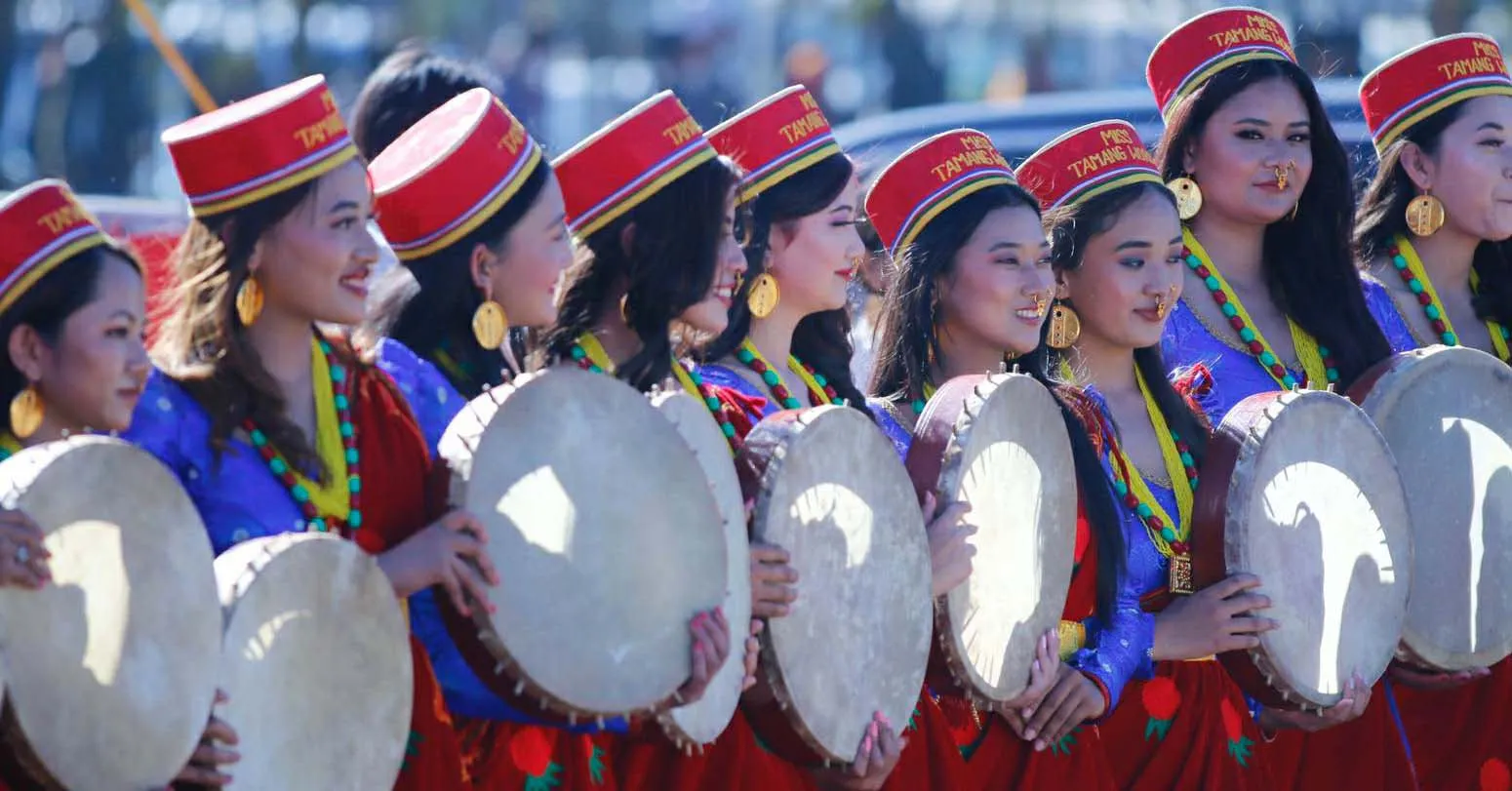
Tamang communities celebrate Sonam Losar in the Kathmandu Valley and surrounding hills. It’s a lively festival with feasts, music, and traditional Tamang dances. The first day is spent visiting elders and exchanging blessings.
In the Gurung Community
Gurung communities celebrate Tamu Losar (also called Tola Losar) in the Annapurna region. The festival is marked by community feasts, folk dances, and the traditional Gurung ritual of honoring ancestors.
In Tibetan Refugee Communities
Tibetan refugees in Nepal — especially in Kathmandu (Boudhanath area) and Pokhara — celebrate Losar with large public events, including masked dances (Cham), butter sculptures, and religious ceremonies.
Rituals and Traditions
Losar rituals vary by community, but common practices include:
- Cleaning the house: A thorough cleaning before the new year to sweep away bad luck.
- Guthuk: A traditional noodle soup eaten on Losar eve. It contains nine ingredients, and sometimes a hidden dumpling that predicts the eater’s fortune.
- Butter lamps: Hundreds of butter lamps are lit at monasteries and homes.
- Cham dances: Masked religious dances performed by monks.
- New clothes: Everyone wears new clothing, especially children.
- Feasting and drinking: Families host feasts with traditional foods, butter tea, and chang (barley beer).
- Exchanging greetings: People say “Losar Tashi Delek” — “auspicious new year” — to each other.
Losar Dates
Losar dates shift each year because they follow the Tibetan lunar calendar. Different communities celebrate on slightly different days:
- Sherpa Losar: Usually in late February or early March (Gyalpo Losar)
- Tamang Sonam Losar: Celebrated in Magh or Falgun (January–February)
- Gurung Tamu Losar: Celebrated in Poush (December–January)
- Tibetan Losar: Celebrated in February or March, aligning with the Tibetan calendar
Losar in Modern Nepal
Losar is a public holiday in Nepal for communities that celebrate it, though not a nationwide holiday. In recent years, Losar has gained wider recognition, especially in Kathmandu and Pokhara, where Himalayan communities are concentrated.
Losar is also a growing tourist attraction. Visitors come to Boudhanath and Swayambhunath in Kathmandu to witness the ceremonies, and to the Everest and Annapurna regions for the community celebrations.
Frequently Asked Questions
What is Losar?
Losar is the Tibetan New Year, celebrated by Sherpa, Tamang, Gurung, Hyolmo, and Tibetan communities. It falls in February or March and lasts between three days and two weeks.
When is Losar celebrated?
Losar dates vary by community and follow the Tibetan lunar calendar. Sherpa and Tibetan Losar usually fall in February or March; Tamang Sonam Losar falls in January or February; Gurung Tamu Losar falls in December or January.
How is Losar celebrated in Nepal?
Losar is celebrated with house cleaning, Guthuk (noodle soup), butter lamps, Cham masked dances, feasts, new clothes, and greetings of “Losar Tashi Delek.”
Is Losar a public holiday in Nepal?
Losar is a public holiday for the communities that celebrate it, but not a nationwide holiday. It is widely observed in the Himalayan regions and in Kathmandu and Pokhara.
Read next: Indra Jatra: Kathmandu’s Chariot Festival — The largest Newar festival in the Kathmandu Valley.
Related districts: Solukhumbu, Kathmandu, Mustang, Kaski, Dolakha