Jitiya (जितिया), also called Jivitputrika Vrat (जीवित्पुत्रिका व्रत), is one of the most rigorous festivals observed by women in Nepal’s Terai region and in the Indian states of Bihar, Jharkhand, and Uttar Pradesh. It is a 24-hour fast undertaken by mothers for the long life, health, and prosperity of their children — especially their sons, in the traditional interpretation.
Unlike many festivals that are joyful and communal, Jitiya is a solemn, disciplined observance. It is celebrated in September or October, on the eighth day of the waning moon (Krishna Ashtami) of the Hindu month of Ashwin.
The Story Behind Jitiya
Jitiya has multiple origin stories, all centered on the mother-child bond.
The Legend of Jivitputrika
According to Hindu mythology, a queen named Jivitputrika had seven sons who all died young. A sage advised her to observe a strict fast in honor of Jimutavahana, the king of the Nagas (serpent deities), who had sacrificed himself to save his relatives. By observing this fast, she was blessed, and her sons were restored to life.
The Legend of Jimutavahana
Jimutavahana was a prince who offered his own body to Garuda (the divine eagle) to save a Naga from being eaten. Impressed by his sacrifice, Garuda spared both the Naga and Jimutavahana, and granted him the power to revive the dead. Jitiya is observed in his honor.
The Legend of Gandharva and Uttara
Another story tells of a Gandharva woman and her daughter Uttara, who observed the Jitiya fast and were blessed with long life and prosperity.
How Jitiya Is Observed
Jitiya is a strict 24-hour fast, without food or water (nirjala vrat). The fast is undertaken by mothers and, in some communities, by married women in general.
The Day Before — Nahay Khay
Women take a purifying bath, eat a simple meal of rice, dal, and bottle gourd (lauki), and prepare for the fast.
The Day Of — Nirjala Vrat
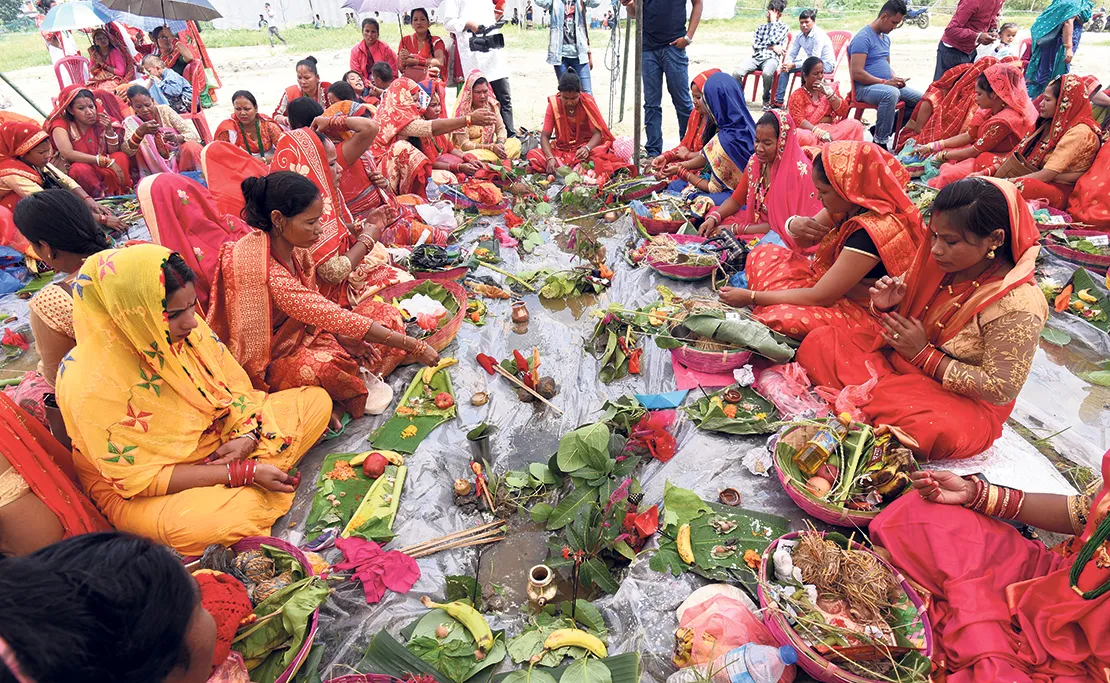
From sunrise on Jitiya day to sunrise the next day, women abstain from food and water. They spend the day praying, visiting temples, and listening to the story of Jivitputrika. In the evening, they gather to perform rituals and offer prayers to Jimutavahana and the Naga deities.
The Breaking of the Fast — Parana
At sunrise the next day, women break their fast with Jhor Bhat (a simple rice and lentil porridge), Madua Roti (millet flatbread), and Nonian Saag (a local green). Specific foods are prescribed, and some communities fast for a second day as well.
Rituals and Customs
Jitiya rituals are simple but strict:
- Bathing in rivers: Women bathe in rivers or ponds before starting the fast.
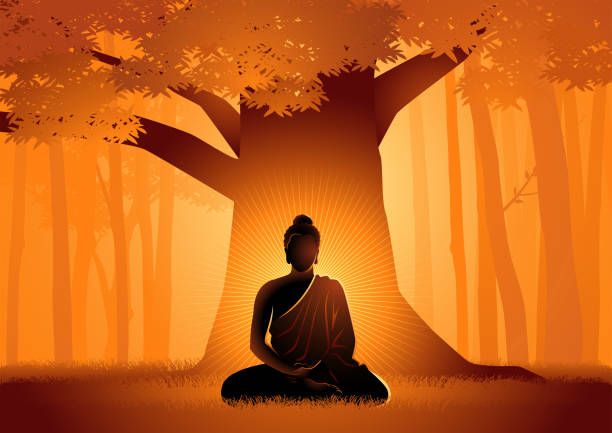
- Worship of Jimutavahana: An idol or image of Jimutavahana is worshipped, along with the Naga deities.
- Listening to the Katha: A priest or elder recites the Jitiya Katha (the origin story of the fast).
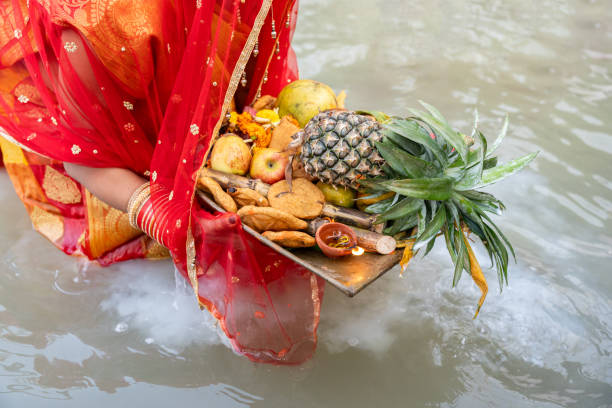
- Offering of fruits and flowers: Women offer seasonal fruits, flowers, and sweets to the deity.
- Kheer and Thekua: These are prepared as prasad and offered to the deity.
- Fast-breaking: The fast is broken at sunrise with specific traditional foods.
Regional Variations
Jitiya is celebrated primarily in Nepal’s Terai and India’s Bihar, Jharkhand, and eastern Uttar Pradesh. There are subtle differences:
- Nepal: Observed mainly by Maithili, Bhojpuri, and Tharu women. The festival is a public holiday in some Terai districts.
- India: Celebrated across the Hindi belt, with slight variations in the foods and rituals used to break the fast.
Why Jitiya Matters
Jitiya is significant because:
- It honors mothers: The festival celebrates the sacrifices mothers make for their children.
- It reinforces family bonds: The fast is a selfless act of love for one’s children.
- It preserves Terai culture: Jitiya is one of the defining festivals of the Maithili and Bhojpuri communities of Nepal.
- It reflects Hindu traditions: The fast is a form of tapasya (spiritual discipline) rooted in Hindu practice.
Jitiya in Modern Nepal
In recent years, Jitiya has gained wider recognition outside the Terai. Some women in Kathmandu and Pokhara now observe the fast, and social media has helped spread awareness of the festival’s significance.
At the same time, the strictness of the fast — no food or water for 24 hours — has raised health concerns, and some communities now encourage women to consult doctors before undertaking the fast.
Frequently Asked Questions
What is Jitiya?
Jitiya, or Jivitputrika Vrat, is a 24-hour fast observed by mothers in Nepal’s Terai region for the long life and wellbeing of their children. It falls in September or October.
Why is Jitiya celebrated?
It is celebrated to seek blessings for children’s long life and prosperity. The fast honors Jivitputrika and Jimutavahana, figures from Hindu mythology associated with sacrifice and revival.
How long is the Jitiya fast?
The fast lasts 24 hours, from sunrise on Jitiya day to sunrise the next day, without food or water (nirjala vrat).
Who observes Jitiya?
It is observed primarily by women in Nepal’s Terai region (Maithili, Bhojpuri, and Tharu communities) and in Bihar, Jharkhand, and eastern Uttar Pradesh in India.
Read next: Chhath: Sun Worship in the Terai — The ancient festival dedicated to the Sun God, celebrated just after Tihar.
Related districts: Dhanusha, Mahottari, Sarlahi, Bara, Parsa