The Everest Base Camp Trek (EBC) is the most famous trek in the world. Every year, over 40,000 people walk the trail from Lukla to the foot of Mount Everest (8,848.86 m), following in the footsteps of Edmund Hillary and Tenzing Norgay, who summited the mountain in 1953.
The trek is not a climb — you don’t need technical mountaineering skills. But it is demanding: 12 to 14 days of walking at high altitude, with dramatic ascents, freezing nights, and thin air. For many trekkers, it is the experience of a lifetime.
Why Trek to Everest Base Camp?
The EBC trek offers:
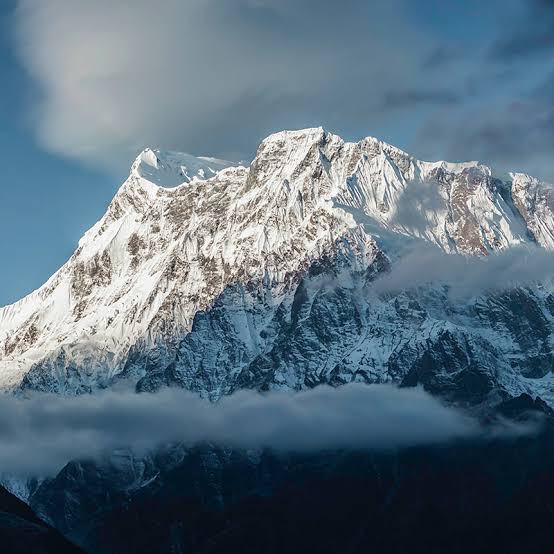
- Breathtaking scenery: Eight of the world’s fourteen 8,000-meter peaks are visible along the route, including Everest, Lhotse, Makalu, and Cho Oyu.
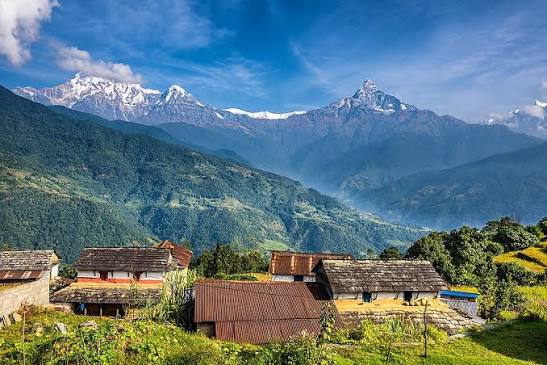
- Sherpa culture: The trail passes through Sherpa villages — Namche Bazaar, Khumjung, Tengboche — where Buddhist monasteries, prayer flags, and mountain hospitality define daily life. To learn more about these legendary mountain guides, read our full guide to the Sherpa People.
- The iconic Kala Patthar: A 5,545-meter viewpoint that offers the best close-up view of Everest.
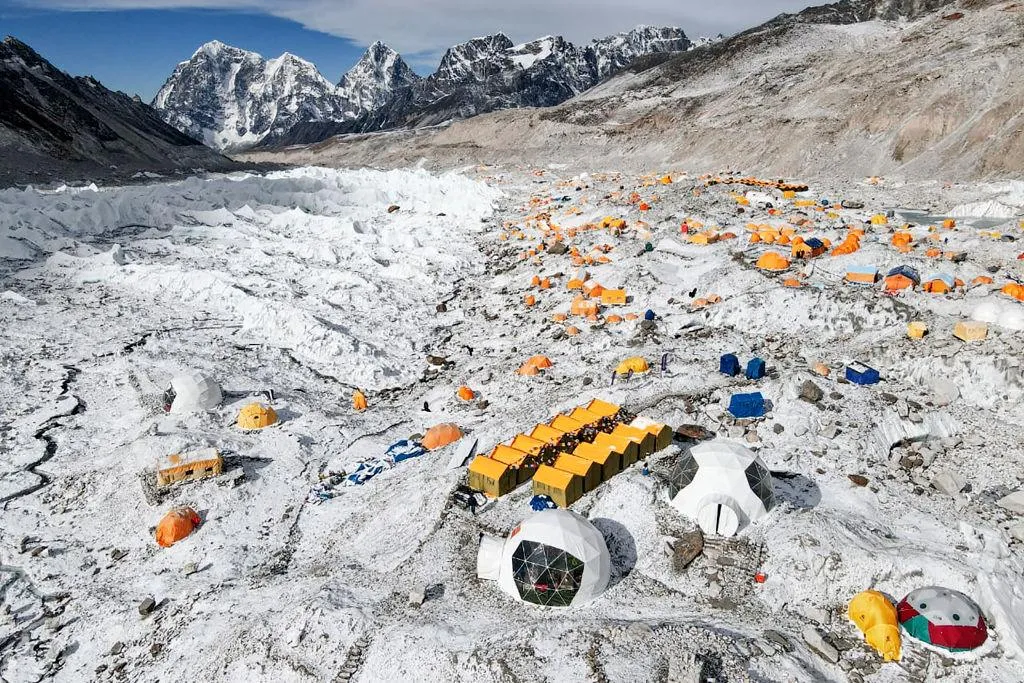
- Sense of achievement: Reaching Base Camp at 5,364 meters is a monumental personal feat.
The Classic Itinerary (12 Days)
The standard EBC trek is 12 days from Lukla to Lukla. Here’s the classic route:
Day 1: Fly Kathmandu → Lukla (2,860 m). Trek to Phakding (2,610 m). 3–4 hours.
Day 2: Phakding → Namche Bazaar (3,440 m). 6–7 hours. Cross the famous Hillary Suspension Bridge.
Day 3: Acclimatization day in Namche. Hike to Everest View Hotel (3,880 m) for your first view of Everest.
Day 4: Namche → Tengboche (3,860 m). 5–6 hours. Visit the famous Tengboche Monastery.
Day 5: Tengboche → Dingboche (4,410 m). 5–6 hours.
Day 6: Acclimatization day in Dingboche. Hike to Nangkartshang Peak (5,083 m).
Day 7: Dingboche → Lobuche (4,940 m). 5 hours. Pass the Thukla Pass memorial to climbers who died on Everest.
Day 8: Lobuche → Gorak Shep (5,164 m) → Everest Base Camp (5,364 m) → back to Gorak Shep. 7–8 hours. The big day.
Day 9: Gorak Shep → Kala Patthar (5,545 m) for sunrise → Pheriche (4,371 m). 7–8 hours.
Day 10: Pheriche → Namche Bazaar. 6–7 hours.
Day 11: Namche → Lukla. 6–7 hours.
Day 12: Fly Lukla → Kathmandu.
Some trekkers take 14 days to allow more acclimatization, or extend the trek by adding Gokyo Lakes or Cho La Pass.
Best Time to Trek
The two main trekking seasons:
- Spring (March–May): Warm, clear views, rhododendrons in bloom. Busiest season.
- Autumn (September–November): Stable weather, clear skies, the most popular season. Book early.
Avoid: Monsoon (June–August) — cloudy, wet, leeches on the trail. Winter (December–February) — very cold, but quiet and cheap.
Permits and Costs
Permits needed:
- Sagarmatha National Park Permit: NPR 3,000 (~$23)
- Khumbu Pasanglhamu Rural Municipality Permit: NPR 2,000 (~$15)
- TIMS Card: Not required for EBC if you have the above two
Total trek cost (from Lukla back to Lukla):
- Budget: $700–1,000 (basic lodges, simple meals)
- Mid-range: $1,200–1,800 (better lodges, porter/guide, gear rental)
- All-inclusive guided tour from Kathmandu: $1,500–2,500
Extra costs:
- Flight Kathmandu ↔ Lukla: $180–220 each way
- Porter: $20–25/day
- Guide: $25–35/day
- Travel insurance (mandatory for helicopter evacuation): $50–150
- Gear rental (down jacket, sleeping bag): $3–5/day each
Acclimatization and Altitude Sickness
Altitude sickness is the biggest risk on the EBC trek. The golden rules:
- Climb high, sleep low: Go up during the day, return to a lower altitude to sleep.
- Take acclimatization days: Rest days in Namche and Dingboche are essential.
- Drink water: 3–4 liters per day.
- Avoid alcohol and smoking.
- Know the symptoms: Headache, nausea, dizziness, breathlessness. If symptoms worsen, descend immediately.
- Carry Diamox: Consult your doctor before the trek.
Helicopter evacuation from the trail costs $3,000–5,000 — travel insurance is essential.
What to Pack
Essentials:
- Down jacket (rated -20°C)
- Sleeping bag (rated -10°C)
- Waterproof shell jacket and pants
- Trekking boots (broken-in)
- Trekking poles
- Headlamp, batteries, power bank
- Water purification tablets or filter
- Sunscreen (SPF 50+), sunglasses, lip balm
- First aid kit, Diamox, ibuprofen
- Snacks (energy bars, nuts, chocolate)
Optional:
- Sleeping bag liner
- Camera and spare batteries (cold drains batteries fast)
- Cash (ATMs in Namche only; carry NPR 30,000+ for the trail)
Lodges and Food on the Trail
The EBC trail is well-developed. You’ll stay in tea houses (family-run lodges) each night.
- Rooms: $3–5 per night (basic twin room)
- Meals: $3–6 per meal (Dal Bhat, noodle soup, momo, pasta)
- Wi-Fi: $3–5 per hour (Everest Link card, only in some villages)
- Hot shower: $3–5
- Charging: $3–5 per device
Food tip: Order Dal Bhat — it’s cheap, filling, and comes with unlimited refills at most lodges. The famous trekker slogan is “Dal Bhat power, 24 hour.”
Frequently Asked Questions
How long is the Everest Base Camp trek?
The classic EBC trek is 12 days from Lukla to Lukla. Many trekkers take 14 days to include extra acclimatization or side trips.
How hard is the Everest Base Camp trek?
It’s challenging but achievable for fit trekkers with no technical climbing experience. The main difficulty is altitude, not terrain. Average walking is 5–7 hours per day at high altitude.
What is the best time to trek to Everest Base Camp?
The best seasons are spring (March–May) and autumn (September–November). Avoid monsoon (June–August) and the coldest winter months (December–February), though winter treks are possible.
How much does the Everest Base Camp trek cost?
A budget trek costs $700–1,000 from Lukla to Lukla. A mid-range trek with guide and porter costs $1,200–1,800. An all-inclusive tour from Kathmandu costs $1,500–2,500.
Read next: Annapurna Circuit Trek — The classic 12–21 day trek around the Annapurna massif.
Related districts: Solukhumbu, Kathmandu, Dolakha, Sindhupalchok, Ramechhap