When is the best time to visit Nepal? The short answer: October and November for trekking and clear mountain views, and March and April for warmer weather and rhododendron blooms. But Nepal is a year-round destination — the best time depends on what you want to do.
Nepal has four distinct seasons: spring, summer (monsoon), autumn, and winter. Each has its own character, and each is right for different activities. This guide breaks down each month so you can plan your trip with confidence.
Nepal’s Four Seasons at a Glance
| Season | Months | Weather | Best For |
|---|---|---|---|
| Spring | March–May | Warm, clear, rhododendrons | Trekking, wildlife, sightseeing |
| Summer/Monsoon | June–August | Hot, rainy, humid | Lower-altitude travel, fewer crowds |
| Autumn | September–November | Clear, dry, stable | Trekking, mountain views, festivals |
| Winter | December–February | Cold, clear, dry | Lower-altitude trekking, culture |
October–November: The Peak Season
This is the best time to visit Nepal for most travelers. Why?
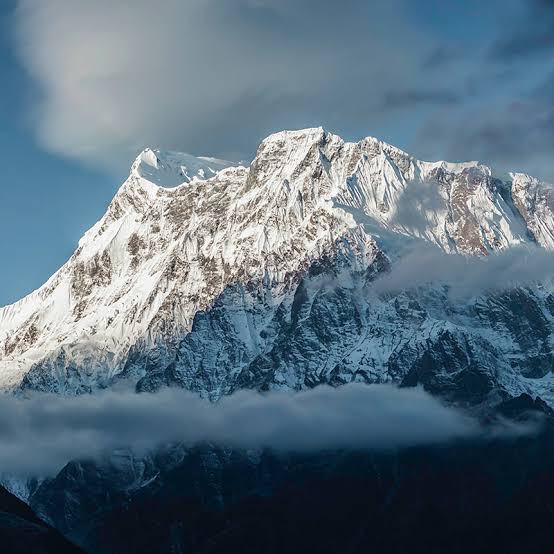
- Clear skies: Himalayan views are unobstructed.
- Stable weather: Minimal rain, safe trekking conditions.
- Festivals: Dashain (Oct) and Tihar (Nov) fall during this window.
- Comfortable temperatures: 15–25°C in the Kathmandu Valley.
Downside: It’s the busiest and most expensive season. Book hotels and flights months in advance, especially for trekking permits.
March–May: The Second Best Season
Spring is another excellent time to visit:
- Warm temperatures: 20–30°C in the Kathmandu Valley.
- Rhododendrons: Nepal’s national flower blooms across the hills.
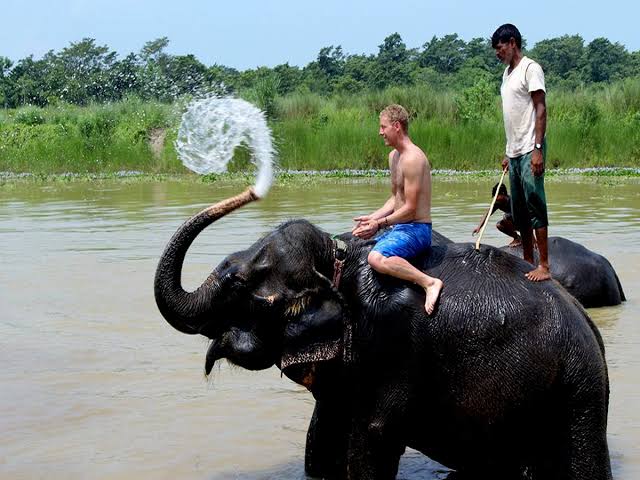
- Wildlife: Best time for Chitwan and Bardia safaris.
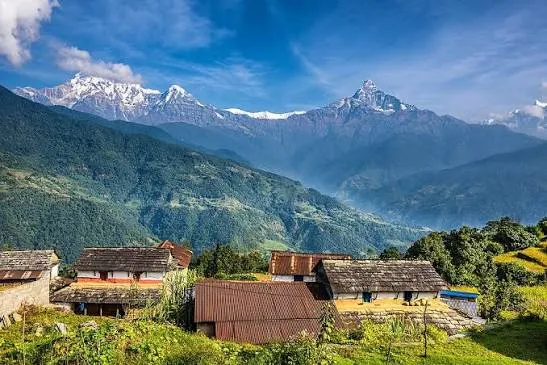
- Clear mountain views: Especially March and April.
Downside: By late May, haze can reduce visibility. Some trekking routes are still snowy at high passes.
December–February: Winter
Winter is colder but has real advantages:
- Fewer tourists: Cheaper hotels, quieter trails.
- Clear views: Sometimes better than autumn.
- Great for lower treks: Poon Hill, Ghorepani, and the Kathmandu Valley.
- Cultural travel: Perfect for temples, cities, and museums.
Downside: High passes (Thorong La, Everest region) are often closed. Nights drop below freezing.
June–August: The Monsoon
Monsoon is Nepal’s least popular tourist season, but it has its own value:
- Fewer crowds: Cheapest hotel prices.
- Green landscapes: Rice paddies, lush hills, waterfalls.
- Upper Mustang and Dolpo: These rain-shadow regions remain dry and trekable.
- Lower-altitude travel: Kathmandu, Pokhara, and Lumbini are still visitable.
Downside: Heavy rain, landslides, leeches on trails, poor mountain views.
Month-by-Month Breakdown
January
Cold, dry, clear. Good for Kathmandu Valley sightseeing, Chitwan, and short treks. Book early for Tansen and Pokhara.
February
Similar to January, gradually warming. Losar (Tibetan New Year) and Maha Shivaratri fall this month. Great for lower treks.
March
Warming up. Holi (Festival of Colors) at the start. Rhododendrons begin to bloom. One of the best months for trekking.
April
Warm and clear. Nepal’s New Year (Baisakh 1) falls mid-April, along with Bisket Jatra in Bhaktapur. Excellent for trekking.
May
Warmer, hazier. Buddha Jayanti falls on the May full moon. Lower-altitude trekking is best.
June
Monsoon begins. Lush and green. Good for Kathmandu, Pokhara, and Lumbini. Avoid high treks.
July
Peak monsoon. Rainy, humid. Best for cultural travel and short walks. Upper Mustang and Dolpo remain dry.
August
Still rainy. Janai Purnima and Gai Jatra fall this month. Fewer tourists, cheaper prices.
September
Monsoon ends. Clear skies return. Trekking season begins. Indra Jatra in Kathmandu.
October
Peak trekking season. Clear, dry, stable. Dashain is celebrated nationwide. Book everything early.
November
Best month for trekking. Clear views, comfortable temperatures. Tihar lights up homes. Highest season.
December
Cooling down, but still clear. Yomari Punhi and Christmas/New Year travel. Good for lower treks.
Best Time by Activity
| Activity | Best Months |
|---|---|
| Everest Base Camp Trek | October–November, March–May |
| Annapurna Circuit | October–November, March–April |
| Chitwan Jungle Safari | October–March (dry season) |
| Pokhara Sightseeing | October–November, March–April |
| Kathmandu Valley Temples | October–March |
| Lumbini Pilgrimage | October–March |
| Upper Mustang Trek | June–August (rain shadow) |
| Cultural Festivals | October–November (Dashain, Tihar) |
What to Pack by Season
October–November:
- Light layers, fleece, and a light down jacket
- Sunglasses, sunscreen, hat
- Trekking boots
March–May:
- Similar to autumn, but lighter
- Rain shell for late May
- Sun protection
December–February:
- Heavy down jacket, thermal layers
- Warm hat, gloves, wool socks
- Insulated boots
June–August:
- Rain jacket, waterproof pants
- Quick-dry clothing
- Insect repellent
- Waterproof bags for electronics
Festivals by Month
Nepal celebrates festivals year-round. Planning around one can make your trip unforgettable:
- January: Maghe Sankranti
- February–March: Maha Shivaratri, Losar, Holi
- April: Nepali New Year (Baisakh 1), Bisket Jatra
- May: Buddha Jayanti
- August: Janai Purnima, Gai Jatra
- September: Indra Jatra, Teej
- October: Dashain
- November: Tihar, Chhath
- December: Yomari Punhi, Christmas
Final Recommendations
For most travelers, October and November are the best months to visit Nepal. You’ll get clear mountain views, stable weather, and vibrant festivals — but book early.
If you prefer fewer crowds, try late September, early December, or March. You’ll still get good weather, but at lower prices.
If you’re on a budget, visit during the monsoon (June–August) — you’ll save significantly on hotels and flights, and you can still enjoy Kathmandu, Pokhara, and cultural sites.
If you’re a trekker, plan around October–November or March–April. These are the two windows when high passes are safe and views are clearest.
Frequently Asked Questions
What is the best time to visit Nepal?
October and November are the best months for most travelers — clear weather, stable conditions, and the biggest festivals. March and April are the second-best window.
What is the best time to trek in Nepal?
Autumn (October–November) and spring (March–April) are the two main trekking seasons. Both offer clear views and stable weather.
Is monsoon a bad time to visit Nepal?
Not necessarily. Monsoon (June–August) is rainy and humid, with poor mountain views — but it’s cheaper, less crowded, and ideal for cultural travel. Upper Mustang and Dolpo remain dry.
What is the cheapest time to visit Nepal?
Monsoon (June–August) is the cheapest season — hotel and flight prices drop significantly. Winter (December–February) is also cheaper than peak seasons.
Read next: Trekking in Nepal: The Complete Guide — Compare all major treks, from easy to extreme, and choose the right one for you.
Related districts: Kathmandu, Kaski, Chitwan, Solukhumbu, Manang