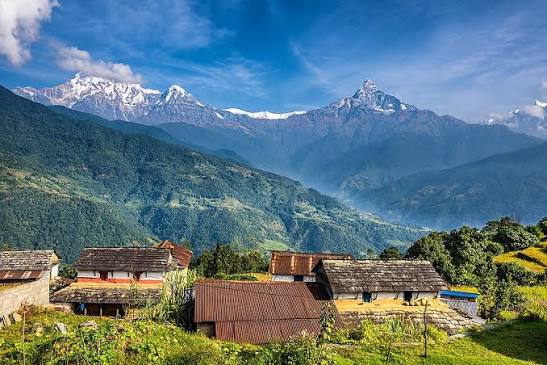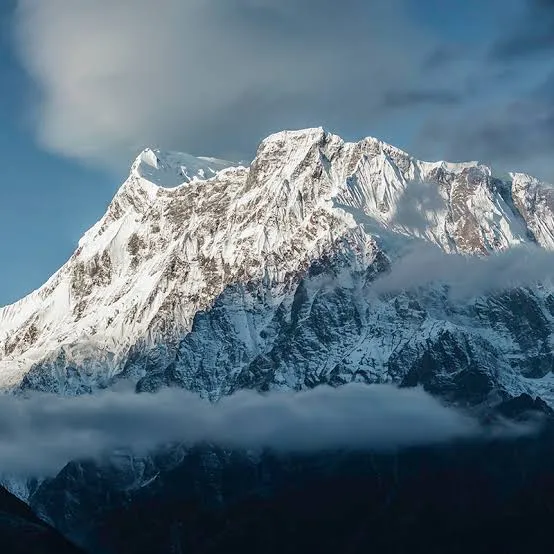
The Annapurna Circuit is one of the greatest treks in the world. It circles the Annapurna massif in central Nepal, crossing from subtropical valleys to the arid Tibetan plateau and over the Thorong La Pass (5,416 m). Since it opened to foreign trekkers in 1977, it has become the second most popular trek in Nepal after Everest Base Camp.
The classic circuit takes 12–21 days, depending on your route and pace. It passes through Hindu and Buddhist villages, alpine forests, high desert, and some of the deepest valleys on Earth. Unlike the Everest region, the Annapurna Circuit is often done teahouse-to-teahouse, with lodges every 1–2 hours.
Why Trek the Annapurna Circuit?
The Annapurna Circuit offers:
- Ecological diversity: From subtropical jungle at 800 m to high alpine desert above 4,000 m — all in one trek.
- Cultural richness: Gurung, Thakali, Manangi, and Tibetan-influenced communities, each with distinct food, dress, and religion.
- The Thorong La: Crossing a 5,416 m pass is a genuine mountaineering experience without technical climbing.
- Muktinath Temple: A sacred site for both Hindus and Buddhists, at 3,800 m.
- The Kali Gandaki Gorge: The deepest gorge on Earth, between Annapurna and Dhaulagiri.
- Accessibility: Easy bus/jeep access to the trailheads — no flights required.
The Classic Itinerary (14 Days)
The classic Annapurna Circuit runs 14 days from Besisahar to Pokhara. Here’s the standard route:
Day 1: Drive Kathmandu → Besisahar (760 m). Trek to Bhulbhule (840 m). 3–4 hours.
Day 2: Bhulbhule → Jagat (1,300 m). 6–7 hours.
Day 3: Jagat → Dharapani (1,860 m). 6–7 hours.
Day 4: Dharapani → Chame (2,710 m). 5–6 hours.
Day 5: Chame → Upper Pisang (3,300 m). 5–6 hours.
Day 6: Upper Pisang → Manang (3,540 m). 4–5 hours. Acclimatization afternoon.
Day 7: Acclimatization day in Manang. Hike to Gangapurna Lake or Milarepa Cave.
Day 8: Manang → Yak Kharka (4,050 m). 4–5 hours.
Day 9: Yak Kharka → Thorong Phedi (4,540 m). 3–4 hours.
Day 10: Thorong Phedi → Thorong La (5,416 m) → Muktinath (3,800 m). 7–8 hours. The big day.
Day 11: Muktinath → Jomsom (2,720 m). 5–6 hours.
Day 12: Jomsom → Marpha (2,670 m) → Tukuche (2,590 m). 4–5 hours. Optional: stay at Marpha’s apple orchards.
Day 13: Tukuche → Ghasa (2,010 m) or Tatopani (1,190 m). 6–7 hours.
Day 14: Tatopani → Ghorepani (2,860 m). 6–7 hours.
Day 15: Ghorepani → Poon Hill (3,210 m) sunrise → Pokhara. 8–9 hours.
Day 16: Drive to Pokhara. Done.
Many trekkers compress this to 12 days by using jeeps on the lower sections, or extend to 21 days for a slower pace and side trips like Tilicho Lake (4,919 m) or Annapurna Base Camp (4,130 m).
Best Time to Trek the Annapurna Circuit
The two main trekking seasons:
- Spring (March–May): Warm, clear views, rhododendrons in bloom at lower elevations. Some haze at higher altitudes.
- Autumn (September–November): The best season — stable weather, clear skies, safe pass crossings. Busiest.
Avoid:
- Monsoon (June–August): Heavy rain, landslides on the trail, leeches at lower elevations.
- Winter (December–February): Thorong La is often closed by snow. Only experienced trekkers with proper gear should attempt it.
The Thorong La Pass is safest to cross in October and November, when the weather is most stable.
Permits and Costs
Permits needed:
- Annapurna Conservation Area Permit (ACAP): NPR 3,000 (~$23)
- TIMS Card: NPR 2,000 (~$15)
Both are available at the Nepal Tourism Board office in Kathmandu or at the ACAP entry checkpoints in Besisahar or Pokhara.
Total trek cost (from Besisahar to Pokhara):
- Budget: $600–900 (basic lodges, simple meals)
- Mid-range: $1,000–1,500 (better lodges, porter/guide)
- All-inclusive guided tour from Kathmandu: $1,300–2,200
Extra costs:
- Bus Kathmandu → Besisahar: NPR 500–800
- Bus/jeep from Pokhara back to Kathmandu: NPR 700–1,200
- Porter: $20–25/day
- Guide: $25–35/day
- Travel insurance (mandatory for helicopter evacuation): $50–150
- Gear rental (down jacket, sleeping bag): $3–5/day each
Acclimatization and Altitude Sickness
Altitude sickness is the biggest risk on the Annapurna Circuit, especially around Manang and Thorong Phedi.
Golden rules:
- Climb high, sleep low: Manang acclimatization day is essential.
- Don’t ascend more than 500 m per day above 3,000 m.
- Drink water: 3–4 liters per day.
- Avoid alcohol and smoking above 3,000 m.
- Know the symptoms: Headache, nausea, dizziness, breathlessness. If symptoms worsen, descend immediately.
- Carry Diamox: Consult your doctor before the trek.
- Start Thorong La crossing early: Leave Thorong Phedi by 4–5 AM to avoid afternoon winds.
What to Pack
Essentials:
- Down jacket (rated -15°C)
- Sleeping bag (rated -10°C)
- Waterproof shell jacket and pants
- Trekking boots (broken-in)
- Trekking poles
- Headlamp, batteries, power bank
- Water purification tablets or filter
- Sunscreen (SPF 50+), sunglasses, lip balm
- First aid kit, Diamox, ibuprofen
- Snacks (energy bars, nuts, chocolate)
- Warm layers (fleece, thermal)
Optional:
- Sleeping bag liner
- Camera and spare batteries (cold drains batteries fast)
- Cash (ATMs in Jomsom and Pokhara; carry NPR 25,000+ for the trail)
Lodges and Food
The Annapurna Circuit has excellent teahouse infrastructure. You’ll stay in family-run lodges, often with attached restaurants.
- Rooms: $3–6 per night (basic twin room)
- Meals: $3–6 per meal (Dal Bhat, Thukpa, Momo, pasta, pancakes)
- Wi-Fi: $2–4 per hour (Everest Link card, only in some villages)
- Hot shower: $3–5
- Charging: $2–5 per device
Food tip: The Annapurna region has the best food on any Nepali trek. Try Thakali Khana in the Thak Khola valley, and apple pie in Marpha.
Highlights of the Circuit
The Annapurna Circuit passes through several unforgettable places:
- Manang: A Tibetan-influenced village with an acclimatization-friendly setting.
- Thorong La Pass (5,416 m): The highest point of the trek — a moment of pure achievement.
- Muktinath Temple: Sacred to both Hindus and Buddhists, with 108 water spouts.
- Jomsom: The windy capital of Mustang district.
- Marpha: Apple orchards and traditional Thakali architecture.
- Tatopani: Natural hot springs after days of walking.
- Poon Hill (3,210 m): A sunrise viewpoint over Annapurna and Dhaulagiri.
The Annapurna Circuit Today
The circuit has changed significantly since the 1970s. Roads now reach deep into the valley — some trekkers say the “old” circuit is gone. But the essence remains:
- Trekkers still walk the high sections (Chame to Muktinath) on foot.
- Buses and jeeps allow shortcuts if you’re short on time.
- New lodges have made the trek more comfortable.
- The scenery, culture, and challenges are unchanged.
The classic walking route remains the same, and trekkers continue to find the Annapurna Circuit one of the most rewarding treks in the world.
Frequently Asked Questions
How long is the Annapurna Circuit?
The classic route is 14–16 days from Besisahar to Pokhara. It can be compressed to 12 days using jeeps, or extended to 21 days with side trips like Tilicho Lake.
How hard is the Annapurna Circuit?
It’s moderately difficult. The main challenge is altitude, especially the Thorong La Pass at 5,416 m. No technical climbing skills are required, but you should be reasonably fit.
What is the best time to trek the Annapurna Circuit?
Autumn (September–November) is the best season, followed by spring (March–May). Avoid monsoon (June–August) and deep winter (December–February), when Thorong La may be closed.
How much does the Annapurna Circuit cost?
A budget trek costs $600–900. A mid-range trek with guide and porter costs $1,000–1,500. An all-inclusive tour from Kathmandu costs $1,300–2,200.
Read next: Best Time to Visit Nepal — A month-by-month guide to Nepal’s seasons, festivals, and trekking windows.