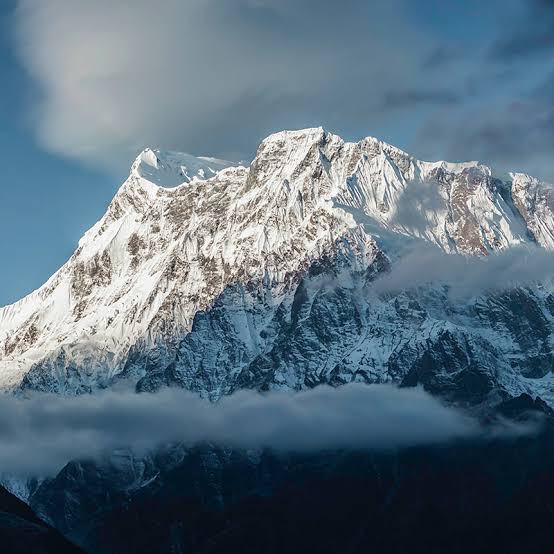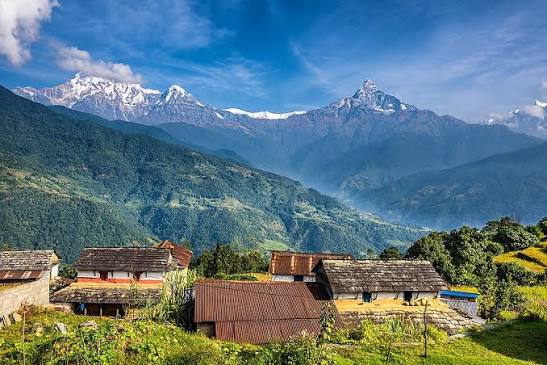
Pokhara is Nepal’s second city and its tourism capital — a lakeside paradise set beneath the snow-capped Annapurna range. It’s the gateway to the Annapurna Circuit, Annapurna Base Camp, and dozens of shorter treks. It’s also Nepal’s adventure sports hub: paragliding, ultralight flights, zip-lining, rafting, and more.
Pokhara is where travelers go to relax after a trek, and where they go to start one. It’s a city of lakes (7 in total), mountains, and outdoor culture.
Why Visit Pokhara?
Pokhara offers:
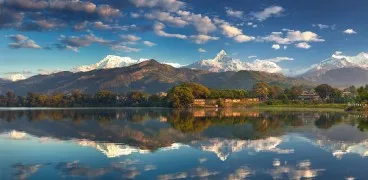
- Phewa Lake: Nepal’s most famous lake, with views of Machhapuchhre (Fish Tail).
- Annapurna views: Panoramic Himalayan views from the lakefront and Sarangkot.
- Adventure sports: Paragliding, ultralight flights, zip-lining, rafting, bungee jumping.
- Trekking access: Gateway to Annapurna Base Camp, Annapurna Circuit, Mardi Himal, Poon Hill, and more.
- Café culture: A relaxed lakeside scene with international restaurants and live music.
- World Peace Pagoda: A Buddhist stupa with views over the lake and mountains.
Top Things to Do in Pokhara
1. Phewa Lake and Tal Barahi Temple
Phewa Lake is the heart of Pokhara. Rent a boat (NPR 500–1,000/hour) and row out to the Tal Barahi Temple, a small Hindu shrine on an island in the middle of the lake. The reflection of Machhapuchhre on the water is one of Nepal’s iconic views.
2. Sarangkot Sunrise
Sarangkot (1,600 m) is a hilltop village 30 minutes from Pokhara. Thousands of travelers come here for sunrise over the Annapurnas — an unforgettable sight. You can hike up (2–3 hours), take a taxi (NPR 1,500–2,000), or paraglide down.
3. Paragliding
Pokhara is one of the top paragliding destinations in the world. Flights launch from Sarangkot and land near the lake. Prices: NPR 9,000–15,000 for a 30-minute tandem flight.
4. World Peace Pagoda
A Buddhist stupa on a hilltop south of Phewa Lake. Reachable by a 30-minute walk, taxi, or boat + hike. The pagoda offers panoramic views of the lake, Pokhara city, and the Annapurnas.
5. Begnas and Rupa Lakes
Pokhara has seven lakes in total. Begnas and Rupa are the next most accessible after Phewa — quieter, less touristy, and surrounded by hills and forests.
6. Devi’s Fall (Patale Chhango)
A waterfall where the Pardi Khola river disappears underground into a cave. It’s a short taxi ride from Lakeside. Entrance: NPR 100.
7. Gupteshwor Mahadev Cave
A sacred cave near Devi’s Fall, with a Shiva lingam and a natural underground waterfall. Entrance: NPR 100.
8. International Mountain Museum
A museum dedicated to the world’s mountains — exhibits on Everest, Annapurna, and mountaineering history. Entrance: NPR 400.
Where to Stay in Pokhara
Lakeside is the main tourist area. It’s divided into:
- Lakeside North (Baidam): Quieter, more restaurants, closer to the lake.
- Lakeside South (Khahare): More bars, backpacker hostels, live music.
Accommodation prices:
- Budget guesthouse: NPR 800–1,500/night
- Mid-range hotel: NPR 2,500–5,000/night
- Luxury resort: NPR 8,000–25,000/night
The best hotels have lake-facing balconies and mountain views.
Trekking from Pokhara
Pokhara is the starting point for the most popular treks in Nepal:
| Trek | Duration | Difficulty |
|---|---|---|
| Annapurna Base Camp (ABC) | 10–12 days | Moderate |
| Annapurna Circuit | 12–16 days | Moderate |
| Poon Hill (Ghorepani) | 4–5 days | Easy |
| Mardi Himal | 5–7 days | Moderate |
| Ghorepani–Ghandruk Loop | 7–8 days | Easy |
| Annapurna Panorama | 6–7 days | Easy |
Most trekking agencies are based in Lakeside, and permits (ACAP, TIMS) can be purchased in Pokhara.
Adventure Sports in Pokhara
Pokhara is Nepal’s adventure capital:
- Paragliding: $80–150 for a tandem flight.
- Ultralight flight: $150–250 for a 30–60 minute flight.
- Zip-lining: $30–50.
- Bungee jumping: $80–100.
- Whitewater rafting: $40–80 (day trip on the Seti River).
- Mountain biking: $25–50/day for rentals.
Book activities through registered agencies in Lakeside — avoid touts.
Getting to Pokhara
By air: 25-minute flight from Kathmandu (NPR 5,000–8,000 one way).
By bus:
- Tourist bus: NPR 1,500–2,500, 6–7 hours.
- Local bus: NPR 800–1,200, 7–8 hours.
- Night bus: Departs Kathmandu 8–9 PM, arrives Pokhara 5–6 AM.
By private car: NPR 12,000–15,000, 5–6 hours.
Best Time to Visit Pokhara
- October–November: Clear mountain views, comfortable temperatures. Peak season.
- March–April: Warmer, good views, rhododendrons in bloom.
- December–February: Cool but clear, fewer tourists.
- June–August: Monsoon — rainy and cloudy, but lush and green. Lowest prices.
Pokhara vs Kathmandu
| Feature | Pokhara | Kathmandu |
|---|---|---|
| Pace | Relaxed | Chaotic |
| Views | Himalayan panorama | Limited |
| Culture | Lakeside, chill | Ancient, dense |
| Adventure | World-class | Moderate |
| Cost | Moderate | Lower |
| Best for | Relaxation, trekking, adventure | Culture, history, shopping |
Many travelers do both — Kathmandu for culture and history, Pokhara for relaxation and trekking.
Frequently Asked Questions
What is Pokhara famous for?
Pokhara is famous for Phewa Lake, Annapurna views, paragliding, and as the gateway to the Annapurna treks.
How many days should I spend in Pokhara?
3–5 days is ideal for sightseeing and adventure sports. Add 7–14 days if you’re doing a trek from Pokhara.
What is the best time to visit Pokhara?
October–November and March–April offer the clearest mountain views. December–February is quiet and clear. Monsoon (June–August) is rainy but cheapest.
How do I get from Kathmandu to Pokhara?
By air (25 minutes), by tourist bus (6–7 hours), or by private car (5–6 hours).
Read next: Chitwan National Park: Jungle Safari — Nepal’s premier wildlife destination, home to rhinos, tigers, and crocodiles.