Gundruk (गुन्द्रुक) is one of Nepal’s most distinctive foods — a fermented, dried leafy green with a tangy, slightly sour flavor. It’s made from the leaves of radish, mustard, cauliflower, or other greens, which are sun-dried, then fermented in an airtight container for several weeks.
Gundruk is a Himalayan superfood. It’s rich in probiotics, vitamins, and minerals, and it was traditionally used as a winter staple, providing essential nutrients when fresh vegetables were scarce. Today, gundruk is a beloved part of Nepali cuisine, especially in the hills and among Newar communities.
What Is Gundruk?
Gundruk is a fermented, dried leafy green prepared through a traditional Nepali process:
- Step 1: Fresh leaves (usually radish, mustard, or cauliflower greens) are collected.
- Step 2: The leaves are washed, wilted slightly, and crushed.
- Step 3: They are packed tightly into an airtight container (traditionally a clay pot or a bamboo basket lined with leaves).
- Step 4: The container is left to ferment for 1–2 weeks, during which the leaves develop their tangy flavor.
- Step 5: The fermented leaves are removed, shaped into small balls or left loose, and sun-dried for several days.
- Step 6: The dried gundruk is stored and used throughout the year.
The result is a tangy, slightly sour, dark green dried vegetable that can be rehydrated and used in soups, curries, and pickles.
Gundruk in Nepali Cuisine
Gundruk appears in many Nepali dishes:
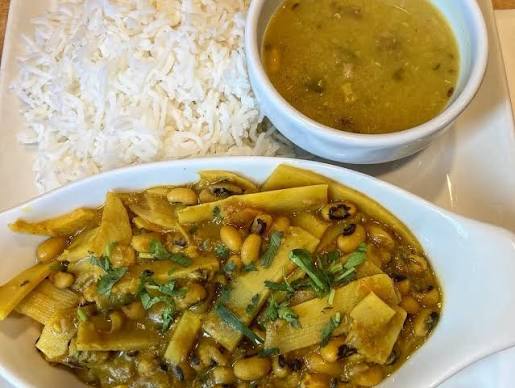
- Gundruk ko jhol: A tangy soup of gundruk, potatoes, and tomatoes. Comfort food for cold days.
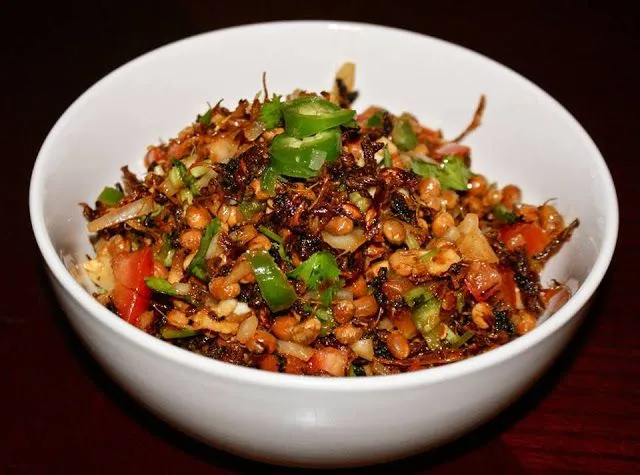
- Gundruk ko achar: A pickle made from rehydrated gundruk, mixed with mustard oil, chili, garlic, and timur.
- Gundruk with rice: Simply rehydrated gundruk, sautéed with onion, garlic, and dried chili, served with rice.
- Gundruk ko sidra: A fermented gundruk dish with a stronger flavor, often served with rice.
Nutritional Benefits
Gundruk is considered a superfood for good reason:
- Probiotics: The natural fermentation produces beneficial bacteria.
- Vitamins: Rich in vitamin A, vitamin C, and B vitamins.
- Minerals: Good source of iron, calcium, and potassium.
- Fiber: High in dietary fiber.
- Shelf life: Can be stored for months without refrigeration.
In traditional Himalayan communities, gundruk was essential during winter when fresh greens were scarce.
Regional Variations
Gundruk is universal in Nepal, but there are regional differences:
- Newar community: Newar gundruk is often served in achar form with timur and mustard oil.
- Hills (Pahad): Gundruk ko jhol is a staple — often eaten with rice or dhido (millet porridge).
- Terai: Less common, but growing in popularity.
- Abroad: Gundruk is available in Nepali grocery stores around the world.
Related: Sinki is a similar fermented radish product, and masyaura is a fermented dried radish.
How to Use Gundruk
If you have dried gundruk:
- Rehydrate: Soak it in warm water for 15–20 minutes.
- Rinse: Wash thoroughly.
- Cook: Use in soups, curries, or pickles.
- Store: Keep the dried gundruk in an airtight container at room temperature.
Gundruk pairs well with rice, dhido, or roti, and is often served with a meat curry.
Frequently Asked Questions
What is gundruk?
Gundruk is a fermented, dried leafy green from Nepal, traditionally made from radish, mustard, or cauliflower leaves. It has a tangy, slightly sour flavor.
How is gundruk made?
Fresh leaves are wilted, crushed, packed into an airtight container, and left to ferment for 1–2 weeks. They are then sun-dried and stored.
What are the health benefits of gundruk?
Gundruk is rich in probiotics, vitamins A, C, and B, iron, calcium, potassium, and fiber. It was traditionally used as a winter staple in Himalayan communities.
What dishes are made with gundruk?
Popular dishes include gundruk ko jhol (soup), gundruk ko achar (pickle), and gundruk with rice. It can be used in any dish where a tangy, fermented flavor is desired.
Read next: Thukpa: The Sherpa Noodle Soup — A warming bowl of noodles from the Himalayan highlands.
Related districts: Kathmandu, Lalitpur, Bhaktapur, Solukhumbu, Sindhupalchok