Kwati (क्वाती) is Nepal’s most nutritious traditional soup — a hearty mix of nine sprouted beans, cooked with ginger, garlic, and Nepali spices. It is the signature dish of Janai Purnima, a Hindu festival celebrated in August, and it is one of the healthiest foods in Nepali cuisine.
Kwati is a Newar specialty, but it is eaten across Nepal — especially in the Kathmandu Valley and in the hills. It is rich in protein, fiber, and vitamins, and it is traditionally used to boost health during the monsoon season.
What Is Kwati?
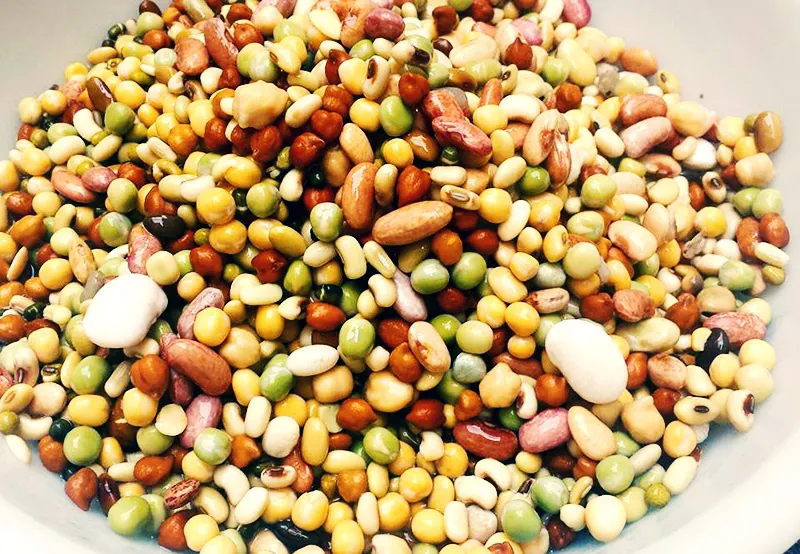
Kwati is a soup made from nine different sprouted beans, typically:
- Black gram (kalo maas)
- Green gram (mung)
- Chickpeas (chana)
- Field beans (bakulla)
- Soybeans (bhatmas)
- Peas (kerau)
- Lentils (musuro)
- Rice beans (gahat)
- Mung beans (mung dal)
The beans are soaked for several days until they sprout, then cooked with:
- Ginger and garlic
- Turmeric, cumin, coriander
- Tomato and onion
- Timur (Nepali Sichuan pepper)
- Sometimes meat (buffalo or chicken)
The result is a thick, hearty soup with a deep, earthy flavor.
The Story of Kwati
Kwati has its roots in Ayurveda — the traditional Hindu system of medicine. According to tradition, the nine beans together balance the body’s energies during the monsoon season, when the weather is damp and diseases are common.
The dish is strongly associated with Janai Purnima (also called Rakshya Bandhan), a festival celebrated on the full moon of the Hindu month of Shrawan (July–August). On this day:
- Hindus change their sacred thread (janai)
- Brothers and sisters tie rakhi on each other’s wrists
- Families cook Kwati as the main meal
Kwati is also prepared on other occasions:
- Ashtami (the eighth day of certain festivals)
- Family gatherings
- Winter meals
Why Kwati Is a Superfood
Kwati is considered one of Nepal’s healthiest foods. Its benefits:
- Protein: Nine different beans provide a complete amino acid profile.
- Fiber: High in dietary fiber, good for digestion.
- Vitamins: Rich in B vitamins, iron, and folate.
- Sprouted beans: Sprouting increases nutrient availability and reduces anti-nutrients.
- Low fat: Naturally low in fat, suitable for all diets.
- Immune support: Traditionally eaten during monsoon to boost immunity.
Kwati is especially recommended for:
- Pregnant women
- Growing children
- The elderly
- Anyone recovering from illness
How Kwati Is Made
Traditional Kwati preparation:
Step 1 — Soak and sprout
Mix the nine beans and soak them in water for 2–3 days, changing the water daily. The beans will sprout small tails.
Step 2 — Prepare the base
Heat oil or ghee. Sauté chopped onion, garlic, and ginger until golden.
Step 3 — Add spices
Add turmeric, cumin, coriander, and chili. Stir briefly.
Step 4 — Cook the beans
Add the sprouted beans, water, and salt. Simmer until the beans are tender — usually 45–60 minutes.
Step 5 — Finish
Add chopped tomato, timur, and garam masala. Simmer for another 10 minutes.
Step 6 — Serve
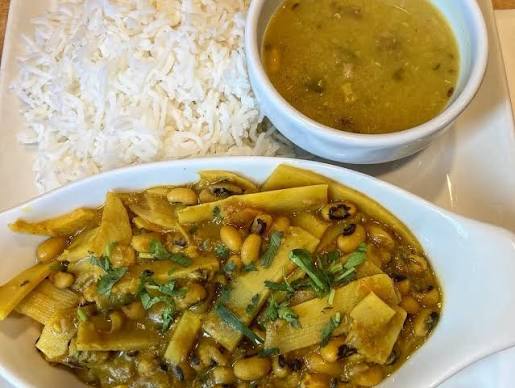
Serve hot with rice, roti, or dhido. Some households add meat (buffalo or chicken) for a richer version.
Kwati Across Nepal
Kwati is universal in Nepal, but there are variations:
- Newar community: The classic version, with nine beans and no meat.
- Hills (Pahad): Often includes local beans and can be spicier.
- Terai: Sometimes made with a shorter list of beans.
- Modern: Some restaurants offer Kwati as a “detox” or vegan dish.
Kwati in Modern Nepal
In recent years, Kwati has gained wider recognition as a Nepali superfood. In Kathmandu, it is available in:
- Newari restaurants
- Traditional Nepali restaurants
- Health food stores (as dry mix)
The dish is also popular among Nepali diaspora communities, who appreciate its nutritional value and connection to home.
Frequently Asked Questions
What is Kwati?
Kwati is a traditional Nepali soup made from nine sprouted beans, seasoned with ginger, garlic, and Nepali spices. It is the signature dish of Janai Purnima.
Which nine beans are used in Kwati?
Black gram, green gram, chickpeas, field beans, soybeans, peas, lentils, rice beans, and mung beans. Some households vary the list slightly.
When is Kwati eaten?
Kwati is especially eaten on Janai Purnima (August full moon), but it is also prepared on other occasions and during winter.
Why is Kwati considered healthy?
Kwati is rich in protein, fiber, vitamins, and minerals. The nine sprouted beans provide a complete amino acid profile, and sprouting increases nutrient availability.
Read next: Aloo Tama: The Tangy Potato-Bamboo Soup — A sour, spicy Nepali classic with bamboo shoots and potatoes.
Related districts: Kathmandu, Lalitpur, Bhaktapur, Kavrepalanchok, Nuwakot